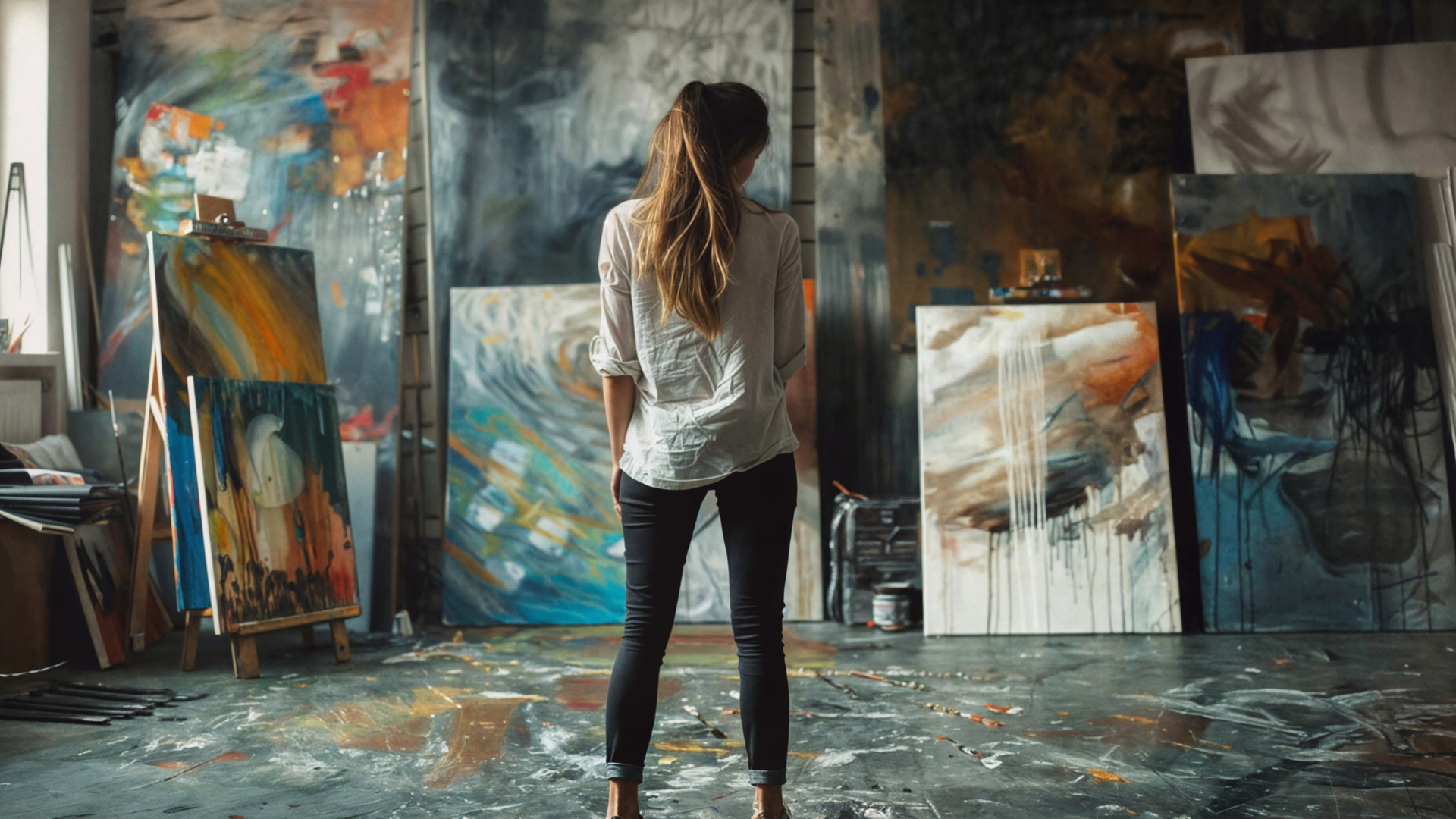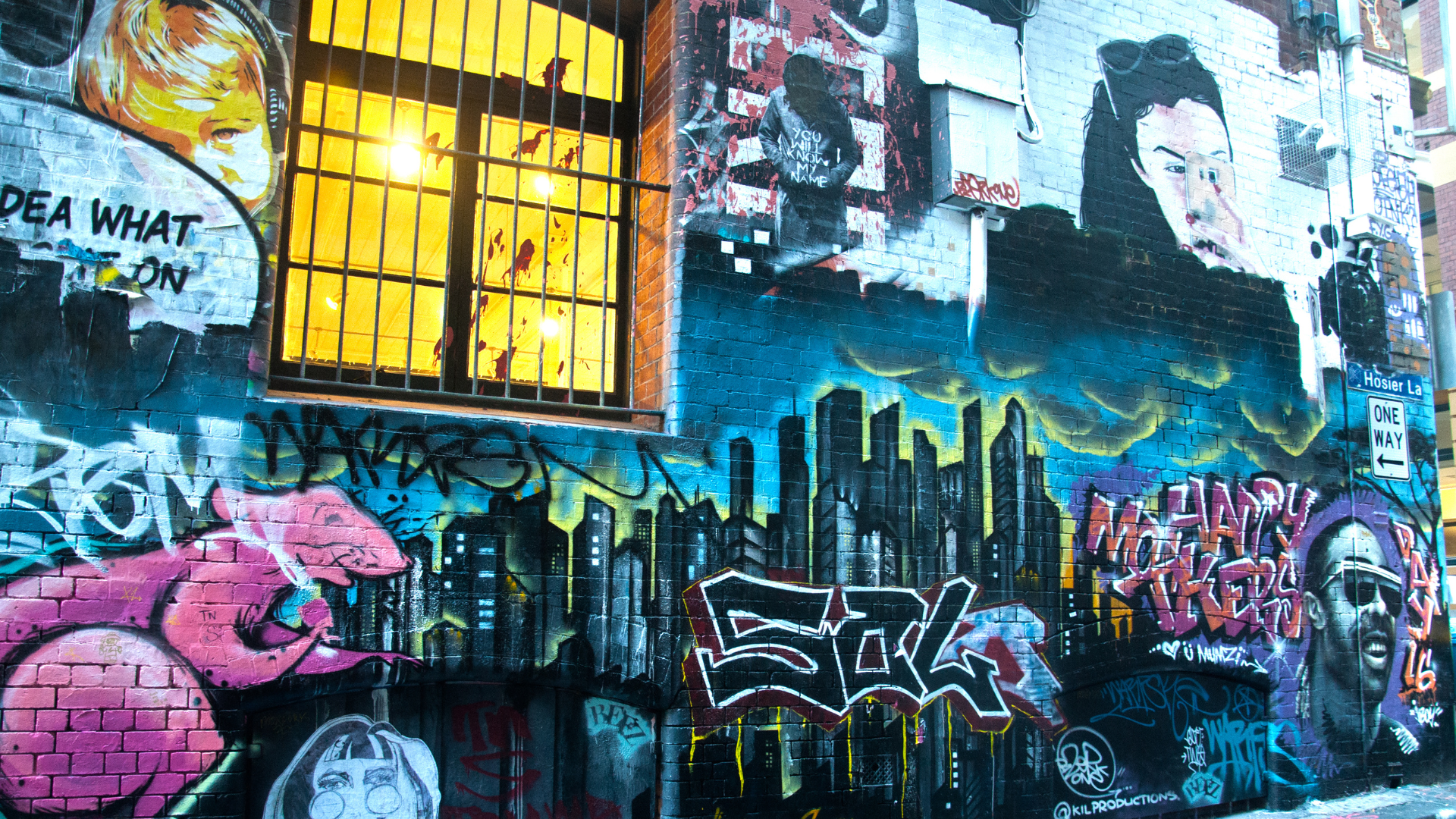
Modern art often celebrates imperfection as a key element of its appeal. The beauty of imperfection lies in how it challenges traditional standards, inviting viewers to find meaning beyond flawless execution. This approach redefines what art can be by embracing spontaneity and authenticity.
Artists use irregularities, unexpected textures, and seemingly incomplete forms to evoke emotion and provoke thought. These imperfections reflect real-life complexities, making modern art relatable and dynamic rather than static and polished.
By valuing imperfection, modern art opens a conversation about creativity that goes beyond skill alone. This perspective encourages a deeper appreciation for diversity in artistic expression and the stories behind each piece.
Understanding the Beauty of Imperfection in Modern Art
The concept of imperfection challenges traditional standards by valuing authenticity and individuality in artistic expression. It highlights distinct qualities that emerge when an artwork embraces flaws, contrasting with classical ideals of flawlessness.
Defining Imperfection in Artistic Contexts
Imperfection in art refers to elements that deviate from smoothness, symmetry, or technical exactness. These may include irregular brushstrokes, asymmetry, or raw textures that reveal the artist’s hand.
Rather than being accidental, these features often result from intentional choices that reject polished façades. Imperfection becomes a deliberate technique to convey vulnerability, emotion, or a more organic form of creativity.
This redefinition shifts focus from replicating reality perfectly to emphasising the process, materiality, and emotional depth embedded within a piece. It presents imperfection as an essential, expressive layer rather than a flaw to correct.
Contrasting Perfection and Imperfection in Art
Perfection in art typically aligns with precise, balanced compositions prioritising harmony and flawless execution. It reflects traditional aesthetics rooted in classical ideals and Renaissance principles of symmetry.
In contrast, imperfection disrupts these norms by valuing irregularity and unpredictability. It introduces dynamism and tension in the artwork, creating space for personal interpretation and emotional impact.
While perfection may produce technical mastery, imperfection invites authenticity and human presence. This contrast emphasises the diversity of artistic approaches, enriching the language of contemporary art.
Aesthetic Appeal and Uniqueness
The aesthetic appeal of imperfection lies in its capacity to generate distinctiveness. Flaws and irregularities act as visual signatures, ensuring no two pieces feel identical.
Artists who embrace imperfection often highlight textures, spontaneous marks, or asymmetrical forms to attract the viewer’s attention. These features communicate honesty and raw creativity.
Uniqueness becomes inseparable from imperfection as it prevents homogenised and overly controlled outcomes. This characteristic resonates strongly in modern art, which values personal expression over standardised beauty.
Emotional Resonance and Authenticity in Artworks
Imperfections in art create a connection between the work and its audience. They reveal the artist’s intent, vulnerability, and unique style, reinforcing the artwork’s emotional depth and credibility.
Human Touch and Artistic Expression
The human touch in art is visible through subtle irregularities and spontaneous decisions. These details distinguish a handcrafted piece from computer-generated images, reflecting the artist’s presence.
Such imperfections are deliberate or subconscious choices that capture personality. Brushstrokes, uneven lines, and asymmetry communicate the creator’s mood and thought process. This adds depth beyond technical perfection and invites deeper engagement.
Emotional Impact of Artistic Flaws
Flaws in art often evoke stronger emotional responses than flawless pieces. They express rawness and reality, which can resonate more authentically with viewers.
Even small deviations, such as inconsistent textures or uneven colour application, trigger feelings of empathy or familiarity. These imperfections make the artwork relatable and enhance its emotional resonance.
Authenticity Through Embracing Imperfection
Authenticity arises when artists accept and showcase flaws rather than hide them. This honesty in creation strengthens the artwork’s trustworthiness.
Embracing imperfections communicates that art is a human endeavour, subject to error and growth. It challenges mass-produced uniformity, highlighting uniqueness as central to authenticity in modern art.
Philosophical Influences: Wabi-Sabi and the Embrace of Impermanence
Wabi-sabi is a Japanese aesthetic that values simplicity, imperfection, and transience. It challenges the modern emphasis on flawlessness by highlighting natural ageing, weathering, and the beauty found in incomplete forms.
Principles of Wabi-Sabi in Contemporary Art
Wabi-sabi centres on asymmetry, roughness, and authenticity. Contemporary artists adopt these principles by using irregular shapes and raw materials to create works that feel organic rather than manufactured.
This philosophy values modesty and the beauty of the unfinished. Artists often incorporate imperfections deliberately to evoke a sense of honesty and emotional depth. It resists the artificial gloss of modern perfection and instead favours subtle, unrefined charm.
The Role of Patina, Texture, and Ageing
Patina—the surface changes materials acquire over time—is a key element identifying wabi-sabi aesthetics. In modern art, patina conveys a history or narrative embedded in the artwork.
Texture is similarly important. Rough surfaces and natural wear highlight the passage of time, encouraging viewers to appreciate the impermanent nature of materials. Ageing materials often evoke feelings of nostalgia and connection to the past.
Artists may use oxidation, cracking, or fading intentionally to reinforce these effects. These marks of time celebrate authenticity rather than detracting from the piece’s value.
Celebrating Impermanence in Artistic Creation
Impermanence is central to wabi-sabi and modern art that embraces it. Artists focus on the transient moment, allowing changes to unfold naturally in the artwork.
This includes processes such as decay, erosion, or gradual transformation during display. The work is never fixed but evolves, reflecting the ephemeral nature of life.
By accepting impermanence, artists challenge traditional ideas of art as a permanent, unchanging object. Instead, they present artworks as living entities, highlighting fleeting beauty and the inevitability of change.
Imperfection as Creative Catalyst: Processes and Practice
Imperfection often acts as a driver in artistic creation, influencing techniques and outcomes. It reshapes conventional methods, encouraging artists to view flaws not as errors but as integral elements of their work.
Embracing Imperfections in the Creative Process
Artists actively incorporate imperfections to break free from rigid precision. They allow mistakes to guide adjustments, which can lead to unique textures or unexpected forms.
This intentional inclusion of flaws fosters authenticity. It challenges the pursuit of perfection, highlighting process over product. Using raw brushstrokes or uneven lines, for example, can add emotional depth and convey spontaneity.
By embracing imperfections, creators open themselves to diverse outcomes. This approach shifts focus from controlling every detail to adapting and evolving through each stage of creation.
The Significance of Happy Accidents
Happy accidents occur when unintended actions produce positive or interesting results. These moments are often embraced as opportunities rather than setbacks.
Examples include paint drips forming new shapes or an unexpected colour blend revealing novel contrasts. Such discoveries can inspire new themes or directions within a piece.
Artists often keep their workflow flexible to capitalise on these occurrences. They recognise that some of the most compelling aspects of modern art emerge from these accidental imperfections.
Innovation Through Experimentation
Experimentation involves trying new materials, techniques, or processes without strict expectations. It relies on embracing imperfection as an intrinsic part of discovery.
Creative experimentation invites unpredictability. Artists might mix unconventional media or alter traditional methods to uncover fresh visual languages.
Through this trial and error, innovation arises. Imperfections that surface during experimentation often lead to breakthroughs, influencing both style and technique in modern art practice.
| Key Practices | Impact on Creativity |
| Allowing unplanned errors | Generates unique textures and forms |
| Remaining open to accidents | Encourages new themes and visual ideas |
| Trying new methods | Promotes innovation and artistic growth |