Underground art challenges traditional boundaries by transforming unconventional locations into vibrant creative hubs. Artists use abandoned buildings, subways, and hidden corners to produce works that defy commercial norms and connect directly with communities.
This movement is redefining creative spaces by prioritising experimentation, authenticity, and accessibility over mainstream exposure. It shifts focus away from galleries and museums, allowing art to exist where people live and interact daily.
This approach not only diversifies artistic expression but also fosters new forms of collaboration and engagement. Underground art creates dynamic environments that inspire fresh perspectives on how and where creativity thrives.
Underground Art and the Evolution of Creative Spaces
Underground art challenges traditional galleries by creating alternative venues and redefining where art belongs. This transformation reflects changes in artistic priorities and community engagement, driven by evolving social and spatial dynamics.
Defining the Underground Art Scene
The underground art scene consists of artists working outside mainstream institutions. It emphasises experimental techniques and often rejects commercial motives. These artists usually prioritise authenticity and cultural commentary over market appeal.
This scene thrives in informal networks, relying on word of mouth and local support. The absence of institutional control allows for more radical and diverse artistic expression. It serves as a platform for lesser-known voices and subcultures that mainstream art might overlook.
Key Movements and Artistic Expression
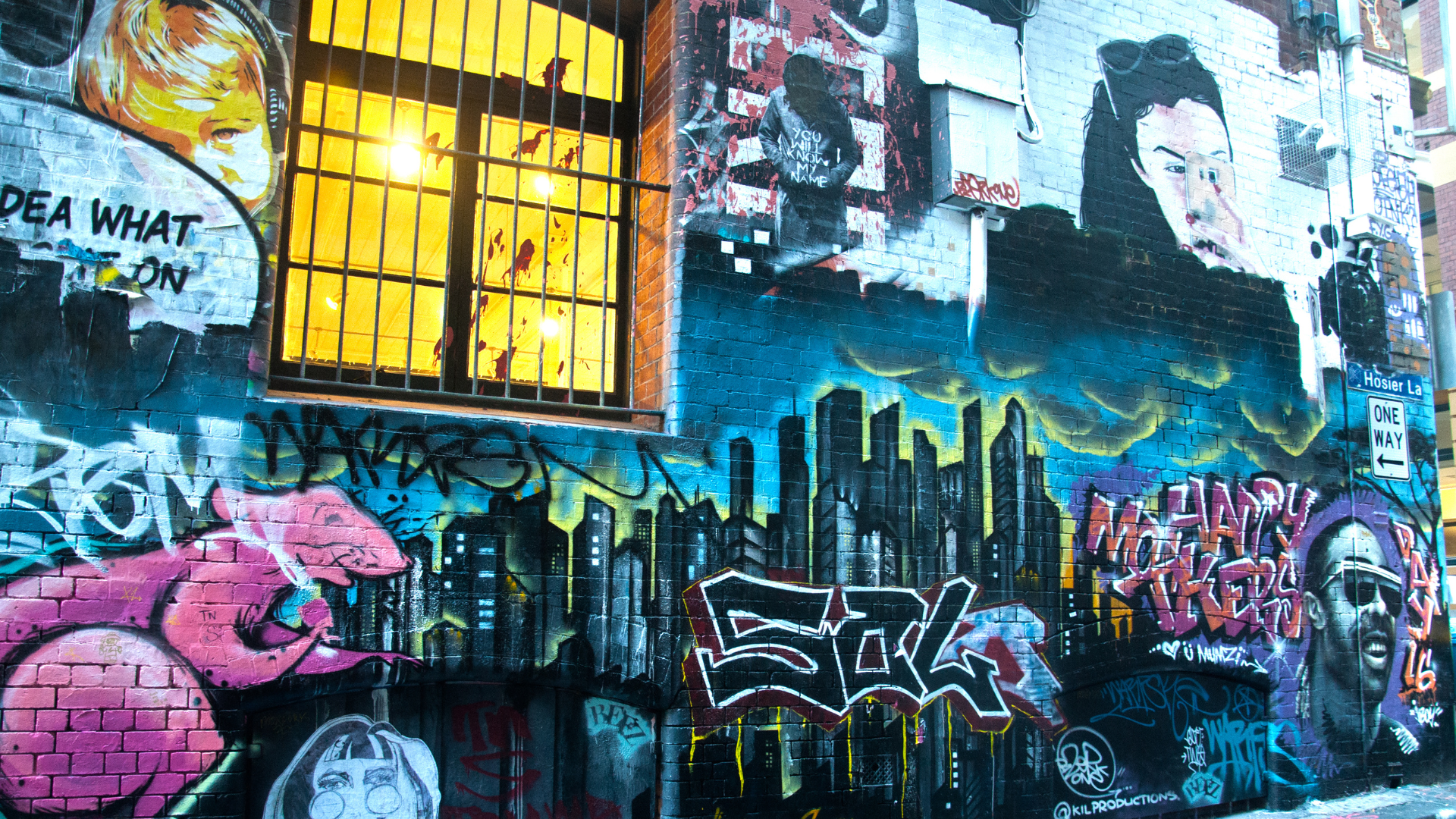
Movements within underground art vary but share a focus on innovation and resistance to traditional norms. Examples include graffiti, stencil art, and mixed-media installations exploring social issues like identity or inequality.
Artistic expression here is often site-specific and collaborative. Themes frequently reflect urgency, emphasising political or cultural narratives. Techniques break conventional boundaries, mixing digital and physical forms, and sometimes involving performance elements.
From Streets to Warehouses: Shifting Spaces
Initially rooted in public spaces like streets and alleyways, underground art venues have expanded to include warehouses and abandoned buildings. These industrial spaces provide room for large-scale work and immersive installations.
Warehouses offer flexibility and a degree of autonomy not found in galleries. This shift also fosters community building, where artists and audiences interact in less formal environments. The adaptability of these locations supports ongoing experimentation with scale, medium, and audience engagement.
Street Art, Graffiti, and Murals: Impact on Contemporary Art
Street art, graffiti, and murals have reshaped the physical and cultural landscape of cities. These forms challenge traditional art norms and open new dialogues about space, identity, and community engagement. Their influence extends from public walls to prestigious galleries, affecting how art is created and consumed.
Reimagining Public Spaces
Street artists transform neglected walls into vibrant canvases, altering how the public interacts with their environment. Murals often reflect local history or social issues, inviting viewers to reconsider the everyday urban landscape.
Unlike traditional art confined to galleries, these artworks are accessible to all, democratizing art experiences. Graffiti, once dismissed as vandalism, now gains recognition as a legitimate artistic expression, encouraging cities to embrace it as cultural enrichment.
Cultural Diversity and Community Engagement
Street art embodies cultural diversity, showcasing voices from various ethnic and social backgrounds. It often arises from communities traditionally underrepresented in mainstream contemporary art.
Artists use murals to tell stories about identity, migration, and resistance, creating a sense of belonging. Community participation in these projects strengthens local connections and fosters pride in shared spaces.
The Influence on Galleries and the Art World
The art world increasingly incorporates street art aesthetics and artists into gallery exhibitions. Graffiti styles and mural techniques inspire contemporary art movements, blurring lines between underground and institutional art.
High-profile street artists often gain gallery representation, altering how their work is valued and preserved. This shift challenges galleries to engage broader audiences and rethink curatorial approaches.
Unconventional and Interactive Spaces: Pop-Ups, Digital Art, and AR
Underground art thrives by redefining where and how creativity is experienced. It shifts away from traditional institutions, embracing temporary venues, immersive engagement, and cutting-edge technology to connect with audiences in new ways.
Pop-Up and Alternative Gallery Experiences
Pop-up galleries utilise unconventional spaces like warehouses, abandoned shops, and private residences. These temporary venues allow artists to bypass standard gallery constraints and reach diverse audiences quickly.
Artists often collaborate with local businesses or community centres to activate dormant urban spaces. This approach fosters a sense of immediacy and exclusivity, encouraging visitors to engage with the art before it’s gone.
Private galleries operating covertly also contribute to this trend. They create intimate settings where experimental and risk-taking works can be shown without commercial pressures, fostering artistic freedom.
Interactive and Immersive Installations
Interactive art invites viewers to become participants, often transforming passive observation into active engagement. These installations frequently use sensors, physical interaction, and sound to create multisensory experiences.
Immersive setups often fill entire rooms, blurring the lines between artwork and environment. This allows audiences to experience art spatially, shifting from visual consumption to physical presence.
These installations often appear in unconventional venues, such as converted industrial spaces or outdoor locations. This flexibility supports underground artists pushing the boundaries of conventional art presentation.
The Role of Augmented Reality in Underground Art
Augmented reality (AR) integrates digital elements into real-world environments, extending creative possibilities beyond physical limitations. Underground artists use AR to overlay virtual artworks onto urban landscapes or private spaces.
This technology enables site-specific works without permanent alterations to chosen locations. Viewers can access AR content via smartphones or AR glasses, making the experience widely accessible.
AR also supports interactive art by responding to user input or environmental data. This dynamic capability broadens the scope for innovative storytelling and audience participation within underground art scenes.
Redefining Urban Landscapes: Design, Architecture, and Global Influence
Underground art has pushed boundaries by integrating with urban design and architectural elements, reshaping city environments. It draws inspiration from diverse global influences and leaves a lasting cultural footprint in major cities through innovative approaches to space and creativity.
Integration of Design and Architecture
Underground art often utilises raw, unconventional materials found in urban settings, transforming forgotten spaces into dynamic environments. This approach embraces graffiti on derelict buildings, murals on concrete walls, and installations within abandoned subway stations, blending seamlessly with existing architecture.
Designers and architects collaborate with artists to preserve the gritty aesthetic while enhancing structural features. In London, for example, the repurposing of old warehouses into art hubs reflects this synergy, creating spaces that are both functional and expressive.
The blend of art with design encourages adaptive reuse, turning neglected areas into visually compelling sites that challenge traditional architectural norms.
Global Cities Leading the Movement
London stands at the forefront, with districts like Shoreditch and Camden showcasing underground art as part of the urban identity. These areas attract tourism and creative industries by fostering street art festivals and publicly accessible galleries within everyday cityscapes.
Beyond London, cities such as Berlin, New York, and São Paulo have embraced underground art as a catalyst for urban renewal. Each city integrates its local cultural context, resulting in varied but powerful expressions of city life and identity.
These global hubs provide platforms for emerging artists and serve as laboratories for experimenting with urban creativity, influencing design trends worldwide.
Lasting Impact on Urban Culture
The presence of underground art challenges traditional notions of public space and ownership. It fosters community engagement by bringing art to places otherwise overlooked, encouraging local pride and social interaction.
Urban culture shifts as artistic interventions introduce new narratives and histories into the city fabric. The permanence of some installations leads to the recognition of underground art as integral to heritage and cultural tourism.
This evolving dynamic supports creative economies and promotes inclusivity by inviting diverse voices into the conversation about city design and use.