Sound plays a unique role in triggering memories. Certain sounds or music can instantly bring back vivid recollections, linking what we hear directly to past experiences. This connection happens because the brain processes sound in areas closely tied to memory.
Different types of sounds affect memory in various ways. People often recall significant moments when hearing a familiar song or a particular noise, demonstrating how sound acts as a powerful cue for retrieving stored information.
The Science of Sound and Memory
Sound triggers complex brain activity critical to forming and retrieving memories. Different brain regions work together to process sound and link it to memory storage and recall.
Brain Regions Involved in Processing Sound
The brain processes sound primarily through the auditory cortex, located in the temporal lobe. This region decodes sound waves into meaningful information like speech and music.
Other areas, such as the thalamus, act as relay stations, directing auditory information to the cerebral cortex. The prefrontal cortex also plays a role by helping to focus attention on specific sounds, which enhances memory encoding.
Processing sound involves a network rather than a single area, allowing the brain to integrate auditory input with existing cognitive functions.
The Role of the Hippocampus in Memory Formation
The hippocampus is essential for converting short-term memories into long-term memories. It links sounds to events and contexts, creating associations that help in later recalling specific memories.
When a sound is heard, the hippocampus interacts with sensory regions to bind auditory information with spatial and emotional details. This binding strengthens memory formation.
Damage to the hippocampus can impair the ability to form new memories related to sounds, demonstrating its critical role in sound and memory integration.
Auditory Cortex and Memory Connections
The auditory cortex not only interprets sounds but also interacts with memory systems to influence recall. It stores auditory patterns that can trigger memory retrieval.
Studies show the auditory cortex supports recognition of familiar sounds by reactivating neural patterns from the original experience. This suggests that memory traces are distributed across sensory and memory-related regions.
The interaction between the auditory cortex and the hippocampus ensures that sound influences both immediate perception and long-term memory storage.
Emotional Memory and Nostalgia
Sound has a unique ability to evoke strong emotional memories and feelings of nostalgia. This connection often influences mood, perception, and even physical well-being in distinct ways.
Sound as a Trigger for Emotional Memory
Certain sounds can instantly bring back detailed emotional memories. For example, a specific voice or ambient noise may reconnect someone to past experiences, activating areas of the brain linked to emotion and memory, such as the amygdala and hippocampus.
This effect happens because sound processing is closely linked to regions that store emotional memories. Even brief exposure to a familiar tune or tone can cause vivid recollections, both positive and negative. This automatic response helps explain why sounds can provoke intense emotional reactions unexpectedly.
Nostalgia and the Power of Music
Music is especially powerful at eliciting nostalgia, often transporting individuals to specific moments in their past. Songs tied to significant personal events tend to evoke a blend of happiness and longing, reinforcing emotional bonds to those memories.
Researchers identify music’s tempo, lyrics, and melody as critical elements that tap into nostalgic feelings. As a result, people use music intentionally to revisit and relive past emotions, often to achieve comfort or emotional clarity during stressful times.
Impact of Sound on Well-being Through Memory
The connection between sound and emotional memory can affect mental and physical well-being. Listening to familiar sounds or music linked to positive memories may reduce stress and improve mood.
Therapeutic practices, such as music therapy, leverage this relationship to aid those with memory impairments or emotional disorders. In these settings, sound serves as a non-invasive tool to stimulate emotional memory and enhance quality of life, demonstrating the practical power of sound in healthcare contexts.
Memory Enhancement Through Soundscapes and Techniques
Sound environments can significantly affect how information is stored and retrieved in the brain. Specific auditory methods influence memory encoding, recall focus, and overall cognitive performance in measurable ways.
Role of Soundscape in Memory Encoding
Soundscapes, the layered background sounds in an environment, impact memory encoding by providing contextual cues. Natural sounds like flowing water or birdsong promote relaxation, which helps in the deeper processing of information.
Studies show that consistent soundscapes create an associative link between environment and memory. This linkage aids in later recall since the brain encodes information alongside the ambient sound backdrop. Conversely, abrupt or distracting noises can impair encoding efficiency by fragmenting attention.
Using tailored soundscapes in learning spaces helps maximise retention. For example, soft instrumental music combined with nature sounds often enhances focus and memory consolidation.
Binaural Beats and Memory Performance
Binaural beats involve listening to two slightly different frequencies, one in each ear, producing a perceived beat. These auditory stimuli are reported to influence brainwave patterns linked with attention and memory.
Research indicates that binaural beats at specific frequencies, such as the theta range (4-7 Hz), can improve working memory and cognitive flexibility. The beats encourage a meditative state that supports neural plasticity, making memory tasks easier.
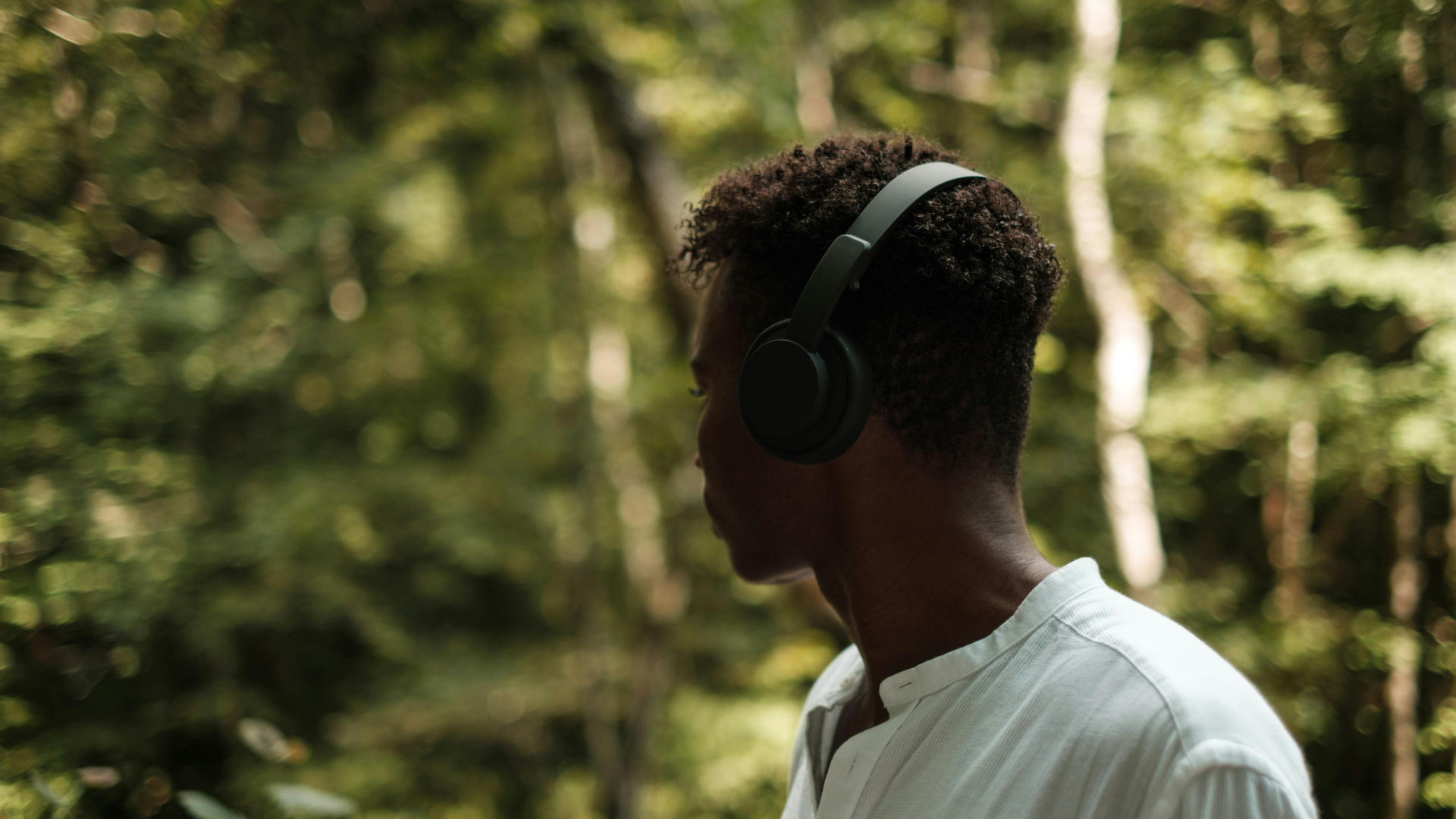
Users need headphones to experience binaural beats accurately, as the effect arises only when each ear receives a different frequency. While evidence supports the benefit in memory performance, the intensity and duration of exposure remain critical variables.
White Noise and Focused Recall
White noise consists of a balanced mix of all audible frequencies, producing a steady auditory mask. It is frequently used to block distracting sounds that interfere with attention during learning or recall.
Experiments show white noise can improve focused recall in individuals, especially in environments prone to interruptions. The noise reduces sudden auditory changes that might disrupt the concentration necessary for successful retrieval of memories.
However, the effect of white noise varies individually. Some find it beneficial, while others may experience annoyance or diminished performance if the noise level is too high. Finding the right volume and consistency is essential for optimal memory support.
Cultural and Personal Identity in Sonic Memory
Sound often acts as a bridge between individual experiences and wider cultural contexts. It links people to shared histories as well as personal moments, shaping identity through distinctive soundscapes and memories.
Collective Memory and Community Sound
Communities frequently use sound to maintain collective memory. Rituals, ceremonies, and communal songs embed shared experiences into cultural identity. For example, national anthems or folk music evoke common historical narratives and values.
Public soundscapes like markets, festivals, or urban sounds reinforce belonging and social cohesion. These environments create auditory landmarks that people associate with their community’s time and place.
Group memories persist through recurring sounds, supporting continuity and cultural transmission. These sonic elements form a framework within which individual memories can also take root.
Preserving Heritage Through Sound
Sound preserves cultural heritage by safeguarding intangible traditions. Oral storytelling, traditional music, and language provide direct links to ancestral knowledge and practices.
Efforts to archive and reproduce these sounds help protect them from disappearing amid modernisation. Museums, audio recordings, and digital platforms serve as repositories for endangered sonic heritage.
Sound also carries emotional weight that written records may lack, making it a powerful medium for experiencing history and identity. It enables listeners to connect deeply with past environments and ways of life.
Adaptation of Memory in Modern Soundscapes
Modern soundscapes reshape memory by blending old and new auditory elements. Urban development, technological change, and globalisation introduce novel sounds that interact with traditional ones.
Individuals adapt their memories as they encounter evolving environments. For instance, a city dweller might link a historic song with current street noise, creating layered memories spanning time periods.
Digital media provides new tools for remixing and sharing sonic memories, altering how people engage with cultural sound. This ongoing adaptation reflects the dynamic nature of identity in a changing auditory world.