Music has long been a catalyst for cultural change, reflecting shifting values and inspiring new ideas across societies. It serves as a powerful tool for expressing identity, challenging norms, and bringing people together. The role of music in cultural change lies in its ability to communicate messages that resonate deeply and influence social attitudes.
Throughout history, genres and songs have sparked movements and given voice to marginalised groups. Whether through protest anthems or revolutionary rhythms, music often mirrors societal transformations and helps drive them forward.
By shaping emotions and creating shared experiences, music shapes the collective consciousness. It becomes a medium through which cultural dialogue takes place, impacting both individual perspectives and broader social dynamics.
Music as a Catalyst for Cultural Change
Music often acts as a powerful force that challenges existing norms, communicates collective sentiments, and unites individuals around shared causes. It serves as both a reflection of societal shifts and a tool to inspire transformation at various levels of culture and politics.
Influencing Social Movements
Music provides a unifying soundtrack for social movements, helping to spread messages quickly and memorably. Songs like Bob Dylan’s “Blowin’ in the Wind” became anthems during the civil rights era, expressing questions about justice and equality.
Artists use lyrics and rhythms to highlight issues such as racism, war, and inequality, making complex social problems accessible. This emotional connection often motivates wider participation and sustains momentum within movements.
Music festivals and concerts also create spaces where people collectively express dissent and solidarity. This shared cultural experience strengthens community bonds critical for maintaining long-term activism.
Driving Social Change Through Activism
Musicians frequently engage directly in activism, using their platforms to raise awareness and funds. For example, Live Aid famously combined music and philanthropy to address famine in Ethiopia.
Activist musicians integrate cultural expression with political messages, making their work both artistic and strategic. This intentional blend can shift public opinion and influence policy discussions.
The reach of digital media amplifies music’s role in activism today, enabling the rapid dissemination of protest songs and campaign anthems globally. This accessibility helps transform local issues into international concerns.
Reflecting and Shaping Society
Music mirrors societal values and tensions, allowing listeners to understand historical and cultural contexts. Genres such as reggae, hip-hop, and punk emerged from specific social conditions and then influenced broader cultural conversations.
At the same time, music shapes identities, signalling belonging to particular groups or ideologies. It can normalise new ideas by embedding them in popular culture.
Through ongoing interaction with listeners, music contributes to evolving cultural norms, sometimes challenging traditions and prompting reconsideration of social roles. This dynamic interchange is central to how culture adapts and changes.
Strengthening Cultural Identity and Unity
Music acts as a key element in forming connections within communities and reinforcing collective identities. It often serves as a platform where shared experiences are expressed and national symbols are celebrated, strengthening both unity and cultural identity.
Formation of Shared Cultural Experiences
Music creates communal moments that resonate deeply within a culture. Festivals, concerts, and traditional ceremonies provide settings where people experience music together, fostering a sense of belonging. These shared experiences are crucial in passing cultural values and narratives across generations.
Through collective participation in music, individuals develop emotional bonds that tie them to their cultural group. This process supports social cohesion and often becomes a foundation for cultural pride and identity.
Role of National Anthems and Symbols
National anthems serve as powerful auditory symbols that represent a country’s history, values, and unity. They are performed at official events, sports fixtures, and public gatherings, reinforcing a common identity among citizens.
Anthems often incorporate themes of struggle, freedom, and hope, which resonate across diverse populations within a nation. They function as unifying tools that transcend regional or ethnic differences and reinforce a shared cultural context.
Preservation of Musical Traditions
Musical traditions are vital in maintaining the continuity of cultural identity. They carry historical narratives and indigenous knowledge embedded in sound, rhythm, and lyricism.
Communities preserve these traditions through oral transmission, formal education, and performance. Maintaining distinct musical styles helps sustain cultural uniqueness and provides resistance against cultural homogenisation.
Music in Rituals, Ceremonies, and Everyday Life
Music has a distinct place in structured and spontaneous social moments. It shapes mood, marks significance, and provides a shared experience through melody and rhythm. Its influence is evident across religious, celebratory, and personal contexts.
Religious Ceremonies and Rituals
Religious ceremonies often rely on music to create a sacred atmosphere and facilitate spiritual connection. Chanting, hymns, and instrumental sounds establish rhythm and melody that guide prayer and meditation.
Different religions use specific musical forms to signify moments of worship, such as Gregorian chants in Christianity or Qawwali in Sufism. The repetitive patterns in these musical elements aid in focus and reflection.
Sacred music often adapts to the cultural context, incorporating traditional instruments and scales. This fusion reinforces communal identity while maintaining spiritual intent.
Celebrations and Festivals
Music energises celebrations by fostering collective joy and unity. Festivals frequently feature distinct rhythms and melodies that reflect cultural heritage and highlight seasonal or historical significance.
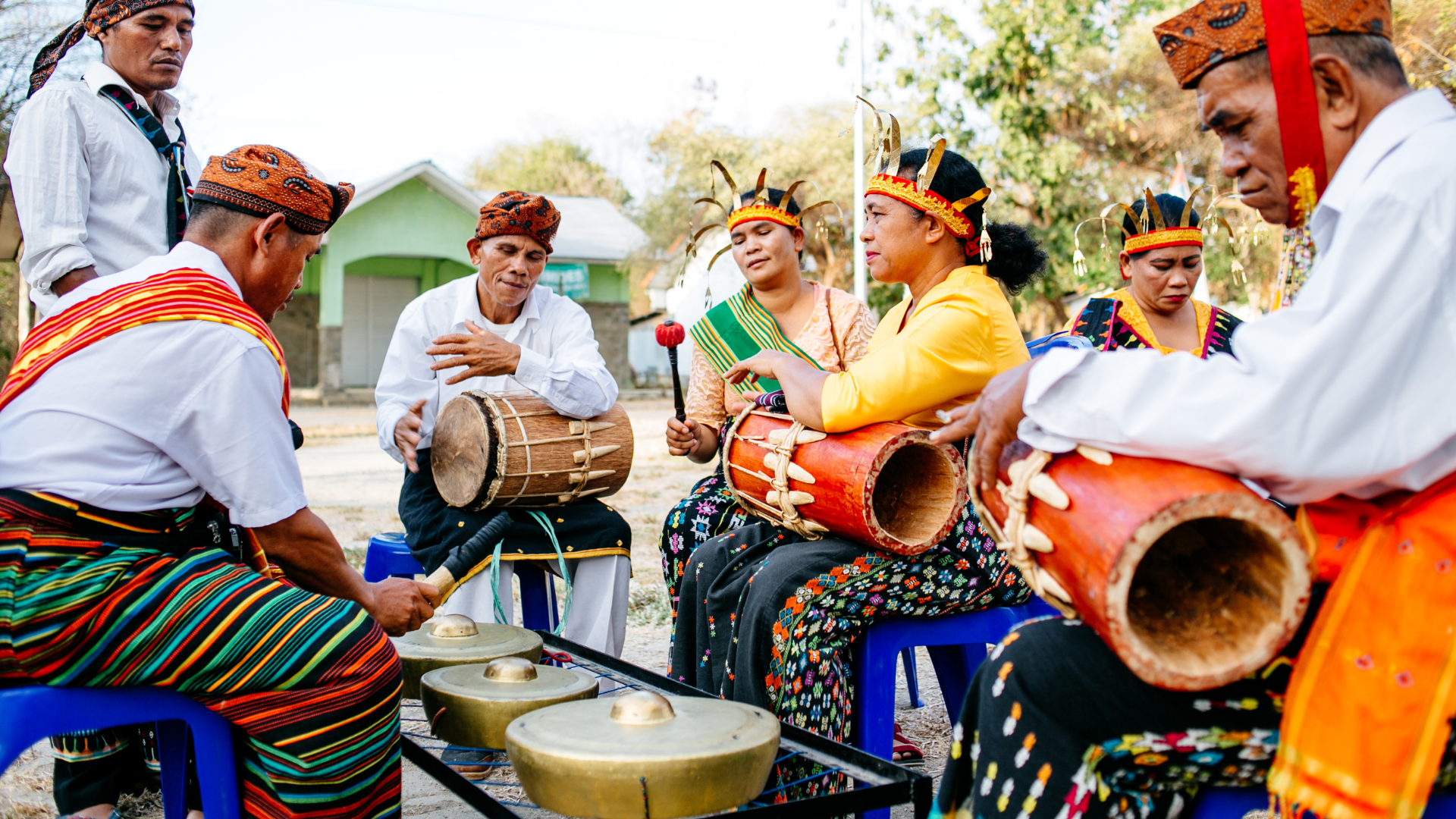
Drums, flutes, and other local instruments mark the beat in many festivals, organising dancing and rituals. Variations in tempo and volume help to signal changes in the event’s progression.
Beyond entertainment, music acts as a communication tool during celebrations. It announces key moments, such as the start of festivities or communal toasts, and encourages participation from all attendees.
Life Events: Weddings, Grief and Commemoration
Music accompanies critical life milestones, offering expression for complex emotions. At weddings, songs often signify union and happiness through uplifting melodies and rhythmic patterns designed for dance.
In grief, music shifts tone, using slower tempos and minor keys to reflect sadness and facilitate mourning. Funeral songs and commemorative pieces provide communal support and help process loss.
Commemoration ceremonies combine melody and rhythm to honour memory and legacy. The choice of music can unite participants in reflection or celebration, reinforcing social bonds during these significant occasions.
Contemporary Influences and Challenges
Music today is shaped by rapid technological advances and global connections, which alter how it’s produced, distributed, and experienced. These changes also raise ethical questions and impact cultural transmission, especially within education systems.
The Impact of Technology and Social Media
Technology has revolutionised music creation and consumption. Digital tools enable artists to produce high-quality recordings without traditional studios, reducing barriers to entry. Platforms like YouTube, TikTok, and Spotify allow rapid sharing and viral spread of music across diverse audiences.
Social media has empowered independent artists to build followings and engage directly with fans. Algorithms often dictate what listeners hear, influencing popular tastes and cultural trends. However, this can prioritise commercial appeal over artistic diversity.
Streaming services have altered revenue models, often benefiting large platforms more than creators. Despite this, technology continues to democratise music, giving room for both traditional and popular music to co-exist and evolve.
Globalisation and Musical Exchange
Globalisation fosters cross-cultural musical interactions, blending genres and traditions in new ways. Artists incorporate elements from different cultures, creating hybrid styles that reflect diverse influences.
Festivals and international collaborations showcase traditional music alongside popular genres, increasing exposure and appreciation. However, global trends can overshadow local forms, risking homogenisation.
The spread of music through digital means accelerates cultural exchange but requires sensitivity to maintain authenticity. Globalisation presents opportunities for cultural dialogue but also challenges in preserving unique musical identities.
Cultural Appropriation and Ethical Considerations
The mixing of musical traditions can lead to cultural appropriation when dominant cultures exploit minority music without respect or understanding. This raises ethical concerns around ownership and representation.
Issues often arise over using traditional music or symbols purely for profit, ignoring original cultural contexts. Musicians and audiences increasingly discuss these concerns, demanding recognition and fair compensation for source communities.
Respectful collaboration involves clear communication, credit, and benefits shared with the custodians of traditional music. Ethical practices can help prevent exploitation and foster genuine cultural appreciation.
Music in Education and Cultural Transmission
Education plays a key role in preserving and transmitting cultural heritage through music. Music curricula that include traditional forms encourage awareness and respect for diverse cultures.
Integrating both popular and traditional music into education promotes understanding of cultural dynamics and change. Teachers face challenges updating curricula to balance innovation with preservation.
Access to technology in education enables wider dissemination of traditional music but requires trained educators to contextualise its cultural significance. Music education remains vital in sustaining cultural identity amid rapid societal changes.