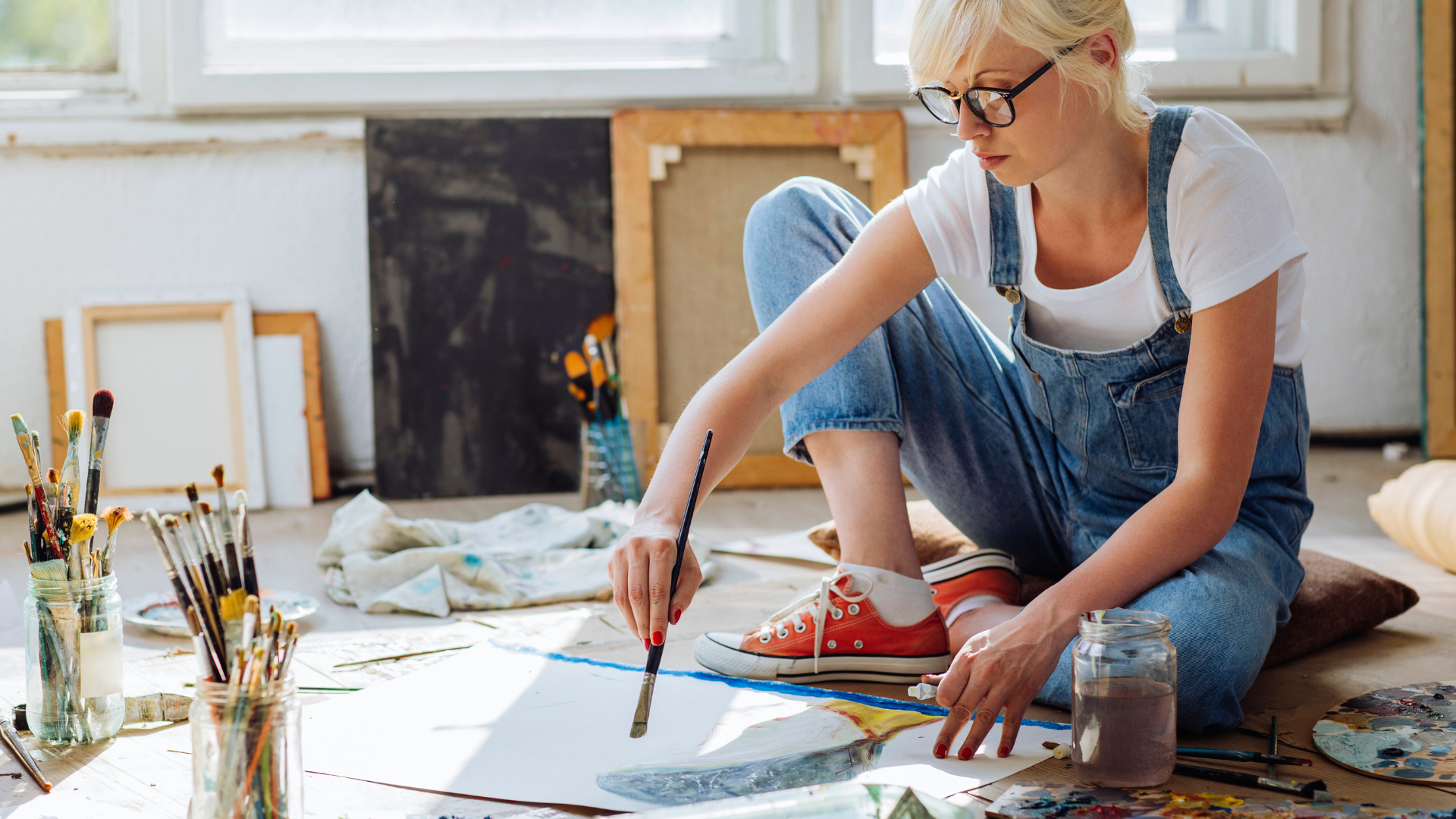
Art and lifestyle are deeply intertwined, influencing each other in subtle and visible ways. People’s daily choices, taste, and environment often reflect their artistic preferences, while art itself can shape attitudes, habits, and social interactions.
The link between art and lifestyle reveals how creative expression impacts personal identity and cultural values. By examining this connection, readers gain insight into how art contributes not just to decoration or entertainment, but to the way individuals live and perceive the world.
This relationship can be seen in diverse areas such as fashion, home design, and even wellness practices. Understanding it helps explain why art remains central to human experience beyond galleries and museums.
The Interplay Between Art and Lifestyle
Art shapes and is shaped by the way individuals live, influencing daily routines and personal values. It serves as a medium through which identity and creativity are continuously negotiated and expressed.
Defining Art as a Lifestyle
Art as a lifestyle goes beyond occasional creative activities; it integrates artistic principles into everyday living. People who adopt this lifestyle prioritise creativity, making choices that reflect artistic sensitivity in fashion, home decor, and even social interactions.
This approach treats creativity not just as a skill but as a mode of being. It emphasises art and craft as ongoing practices, turning ordinary moments into opportunities for personal expression and innovation.
Art as a Reflection of Personal Identity
Art functions as a mirror for personal identity, revealing aspects of an individual’s personality, culture, and values. Through their artistic choices—such as the art they create or consume—people communicate who they are.
The style, themes, and materials people prefer can indicate their background or beliefs. Artistic expression becomes a way for individuals to affirm their uniqueness and manage the way others perceive them.
Creative Expression in Daily Life
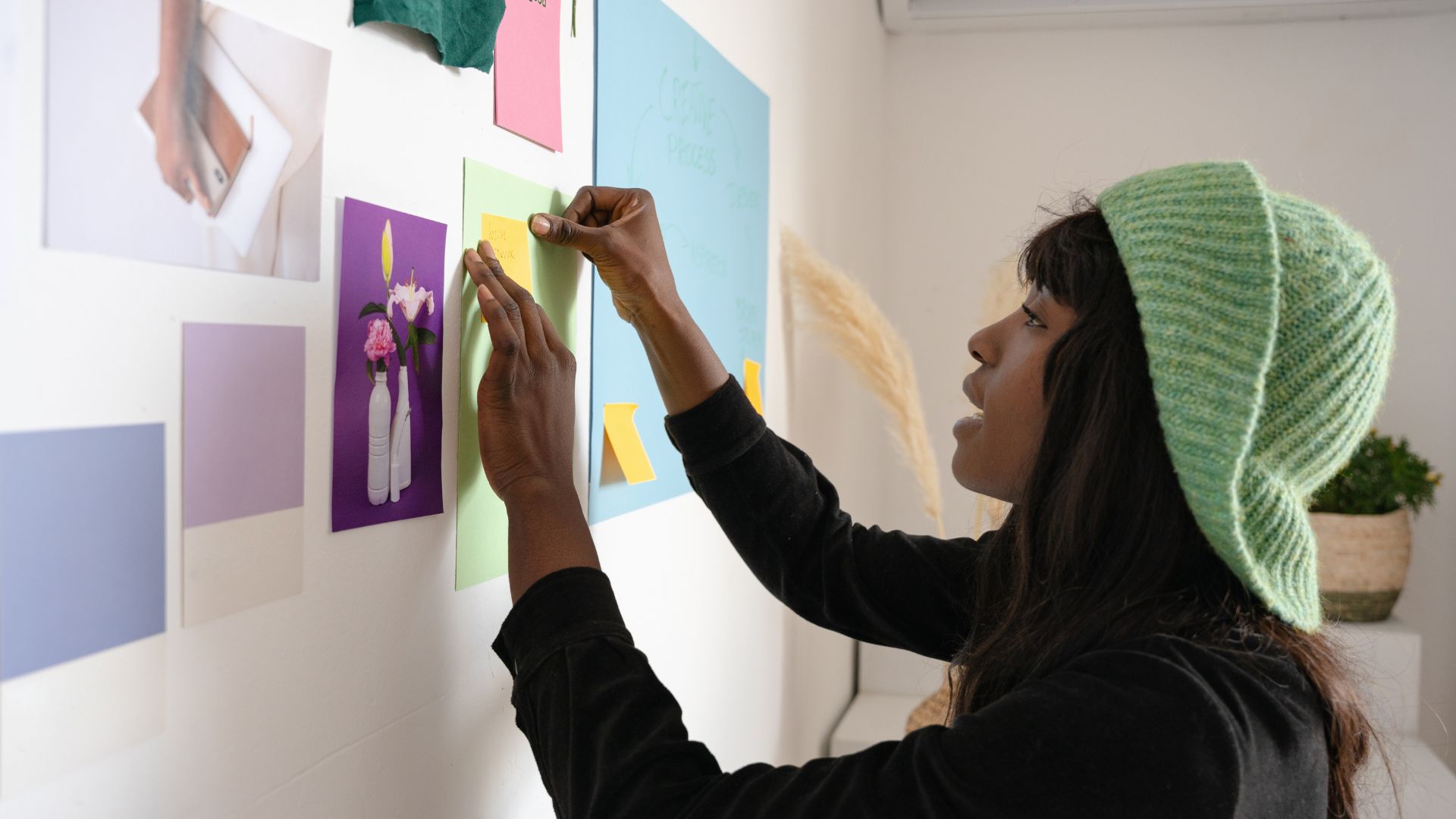
Creative expression manifests in small, routine actions, like choosing colours or arranging spaces. These choices reflect an ongoing artistic dialogue with one’s surroundings.
Many incorporate art into hobbies or rituals, using craft techniques or visual mediums to enhance daily experiences. This habitual creativity reflects a lifestyle where art and living are closely intertwined, reinforcing personal meaning and satisfaction.
Art’s Impact on Well-being and Personal Growth
Engaging with art influences mental health and emotional well-being in measurable ways. It supports self-expression and encourages personal growth by fostering reflection and reducing stress.
Art and Mental Health
Art has a significant role in improving mental health. Creating or experiencing art can lower cortisol levels, reducing stress and anxiety.
Studies show that regular engagement with artistic activities helps individuals manage symptoms of depression and PTSD. Art offers an outlet for expressing complex emotions that might be difficult to verbalise.
Participating in art promotes cognitive function and increases mindfulness. This focus on the present moment can counteract persistent negative thoughts common in mental health conditions.
Emotional Well-being Through Creative Activities
Creative activities like painting, music, or dance provide a means to enhance emotional well-being. They encourage individuals to explore their feelings in a safe and structured way.
Art-making can increase dopamine levels, linked to pleasure and motivation. This biochemical effect supports emotional resilience during challenging times.
The process of producing art often results in a sense of accomplishment and boosts self-esteem. These positive emotions contribute to greater overall well-being.
Art Therapy for Personal Development
Art therapy is a structured approach that uses creative processes to support personal development. It helps individuals explore their identity and life experiences through visual expression.
Trained art therapists guide clients to understand their emotions and behaviours, facilitating self-awareness and growth. This therapeutic method often complements traditional psychological treatments.
By externalising thoughts and feelings, art therapy promotes healing and skills for coping with life’s difficulties. It is particularly effective in enhancing confidence and emotional regulation.
Art in Social and Cultural Contexts
Art plays a significant role in shaping and reflecting social values and cultural identity. It influences public spaces, encourages dialogue on social issues, and showcases diverse perspectives through various forms.
Public Art and Community Spaces
Public art, including murals, sculptures, and art installations, actively transforms community spaces. These works often serve as landmarks or gathering points, fostering a shared sense of identity among residents.
Local governments and artists collaborate to select installations that resonate with community history and cultural values. This approach helps make art accessible to all, enhancing everyday environments and encouraging public engagement.
Art Influencing Social Issues
Art frequently addresses social issues by raising awareness and provoking thought. Through public art installations, artists highlight topics such as inequality, environmental concerns, and human rights.
These projects often aim to stimulate discussion and inspire action within communities. By visualising social struggles, art becomes a tool for education and advocacy, connecting individuals with broader societal challenges.
Diversity in Artistic Expression
Diversity in art reflects the heterogeneity of societies and cultures. It includes a wide range of voices and styles, from indigenous art forms to contemporary multicultural expressions.
Incorporating diverse artistic perspectives enriches cultural understanding and challenges dominant narratives. This inclusivity in public and cultural art fosters respect and appreciation for different social backgrounds.
Integrating Art Into Modern Lifestyles
Art influences many aspects of daily living, shaping choices in personal style, home environments, and learning approaches. Its presence enhances creativity and self-expression while offering practical value in various settings.
Fashion and Wearable Art
Fashion often acts as a canvas for wearable art, blending design with personal identity. Designers create garments that feature hand-painted textiles, intricate embroidery, or digital prints inspired by famous artworks. This fusion allows individuals to display artistic statements beyond traditional galleries.
Wearable art can be functional or avant-garde, appearing in both mainstream and niche markets. Collaborations between artists and fashion brands facilitate limited-edition collections shown in museums or exhibitions. These partnerships also extend art’s reach, making it accessible and tangible in everyday life.
Interior Design and Living Spaces
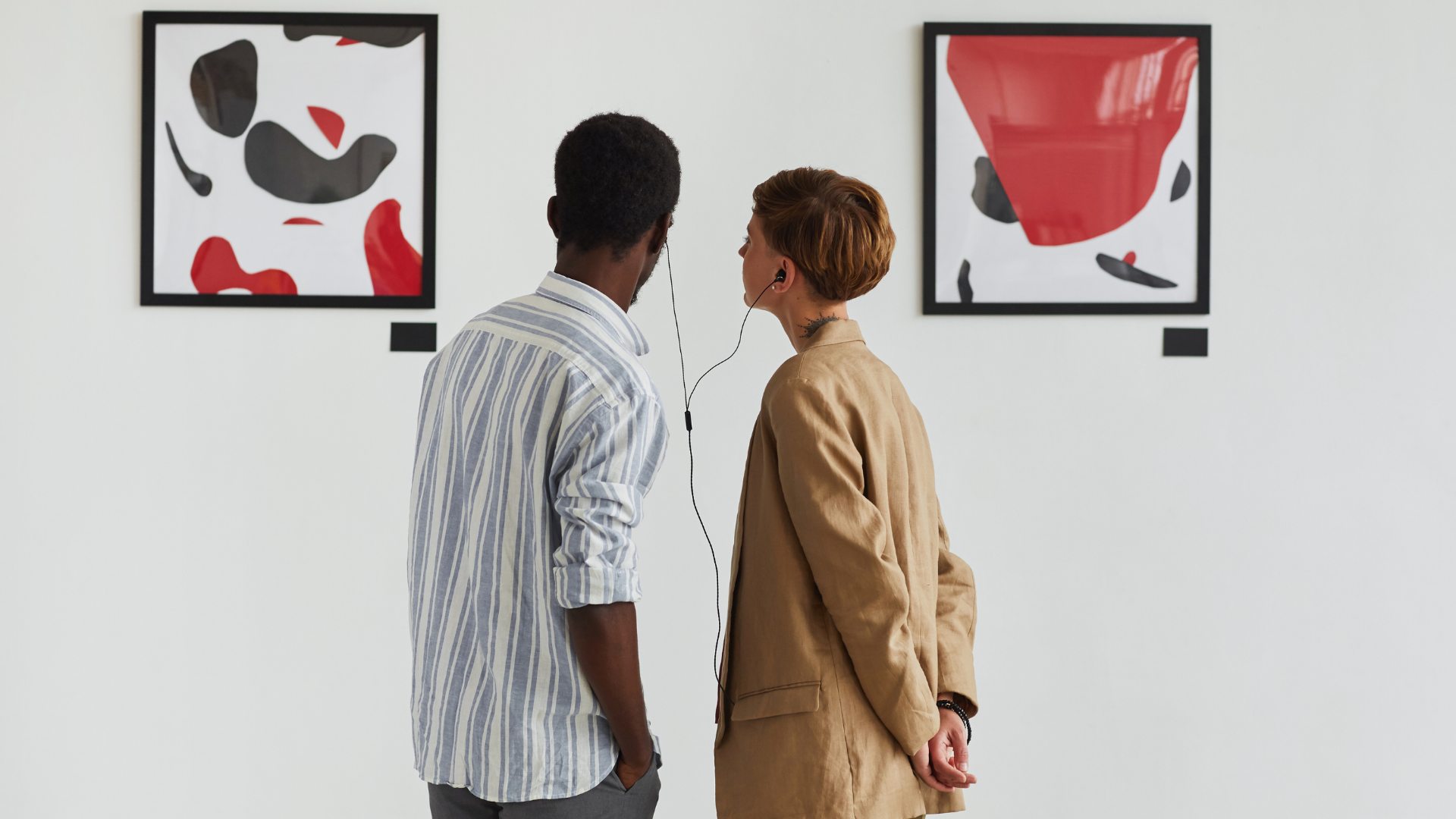
Incorporating art into interior design transforms living spaces into personalised galleries. Curated art pieces—paintings, sculptures, or mixed media—add character and enhance mood. Interior designers often work with art consultants to select works that complement architectural style and client preferences.
Art in homes or offices creates focal points and encourages thoughtful use of colour, texture, and scale. The rise of digital galleries and art leasing services has made acquiring art easier, allowing for frequent updates to living environments. This integration supports both aesthetics and lifestyle needs.
Art Education in Everyday Life
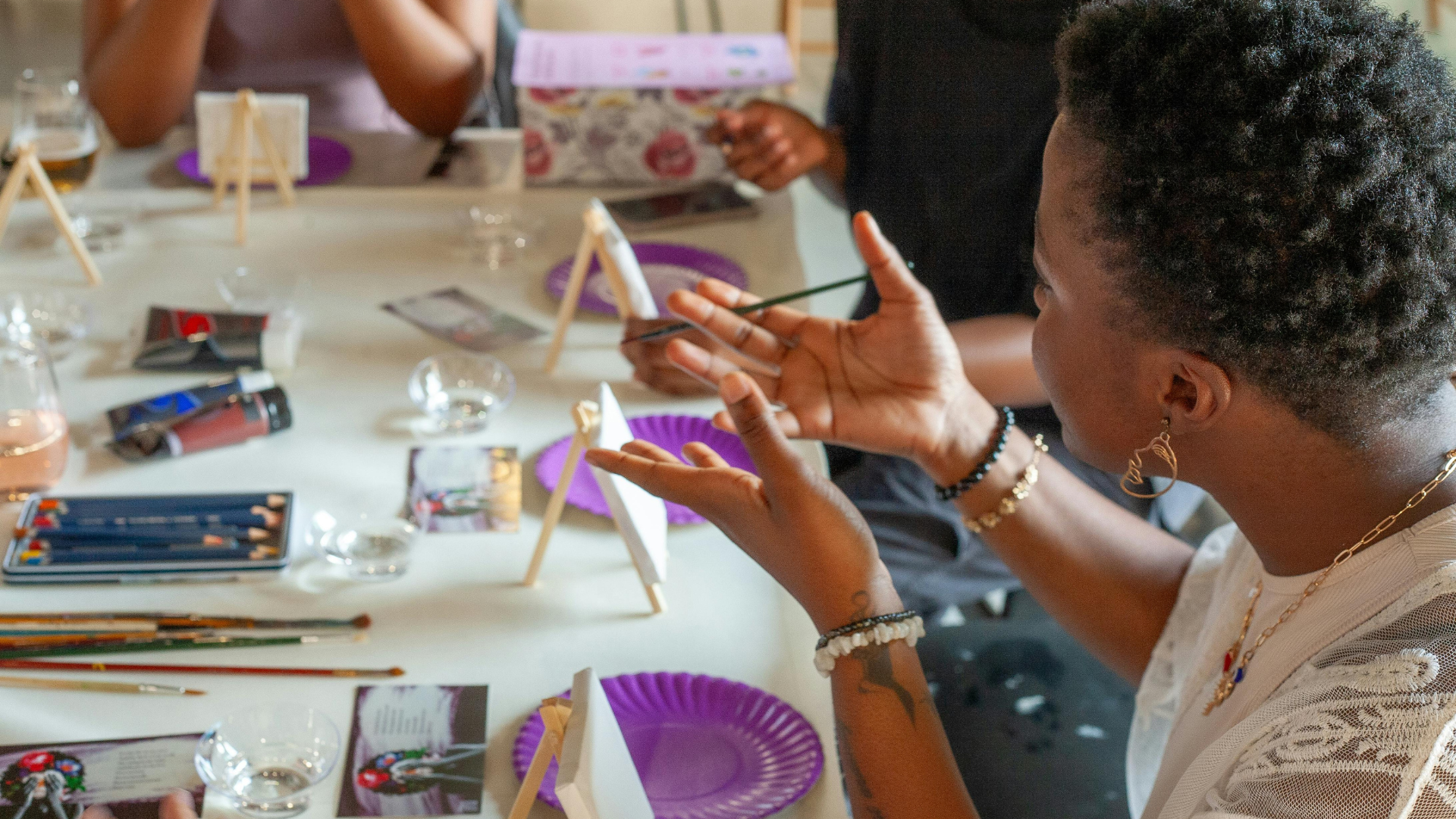
Art education now extends beyond formal settings into community centres, online platforms, and cultural institutions. Museums and galleries offer workshops enabling people to engage with artistic techniques and history. This practical engagement fosters appreciation and creativity.
Educational programmes often focus on hands-on activities, such as drawing or sculpture, enhancing cognitive skills and cultural literacy. Incorporating art education into daily routines encourages mindfulness and personal growth. It supports a deeper connection between individuals and the creative world surrounding them.