Music has long catalyzed creativity across various artistic disciplines, shaping the evolution of modern art. The rhythms and melodies that permeate contemporary culture influence visual artists in significant ways, providing inspiration that transcends traditional boundaries. The interplay between music and modern art reveals how auditory experiences can profoundly impact artistic expression and innovation.
In recent years, many artists have drawn on musical themes, integrating sound and rhythm into their visual works. This fusion is evident in installations that invite viewers to not only see but also hear and feel art, creating an immersive experience. By examining collaborations between musicians and visual artists, one can better understand how music serves as a source of experimentation and emotional engagement in contemporary art.
As art continues to evolve in the digital age, the relationship between music and visual expression becomes increasingly relevant. Artists are exploring new mediums and technologies, often incorporating soundscapes into their creations. This exploration highlights the dynamic exchange between music and visual art, showcasing the potential for both to enrich and expand the boundaries of creative practice.
Historical Context of Music in Modern Art
Music has played a significant role in shaping modern art movements. An exploration of various influences reveals how composers, artistic experimentation, folk traditions, and technological advancements have impacted visual culture.
Influence of Classical Composers on Art Movements
Classical composers such as Richard Wagner and Claude Debussy significantly influenced modern artists. Wagner’s concept of Gesamtkunstwerk, a total artwork encompassing music, drama, and visual elements, resonated with artists seeking to create immersive experiences.
Debussy’s innovative harmonic language inspired many visual artists to explore abstraction. His music evoked emotions and imagery that linked directly to Impressionism, encouraging painters like Claude Monet to experiment with colour and perception in their works.
The Avant-Garde and Artistic Expression
The avant-garde movement pushed boundaries in both music and visual arts. Composers like Igor Stravinsky and Arnold Schoenberg developed new musical languages that broke free from tradition. Their radical experimentation influenced artists seeking to express contemporary concerns.
Visual artists, such as Kazimir Malevich and Marcel Duchamp, embraced these innovations. They explored themes of abstraction and surrealism, paralleling the shift in music towards atonality. This collaboration between disciplines fostered new forms of artistic expression, reflecting the tumult of early 20th-century society.
Folk Music and Visual Culture
Folk music’s rich traditions shaped modern art by connecting with cultural identity. Artists drew inspiration from the stories and rhythms inherent in folk songs, leading to a renewed interest in national identities.
This fusion of music and art can be seen in the works of artists like Diego Rivera and Käthe Kollwitz, who incorporated themes from folk traditions into their visual narratives. Their art mirrored the spirit of the people, acting as a bridge between musical and visual heritage.
The Role of Technology and Synthesizers
Technological advancements revolutionised both music and art in the 20th century. The introduction of synthesizers transformed the musical landscape, allowing for new textures and soundscapes that had a profound impact on artists.
Visual artists began to experiment with multimedia installations that combined painted elements with electronic music. This merging of disciplines not only enriched the viewer’s experience but also created a dialogue between sound and sight. As technology continues to evolve, it opens up further possibilities for collaboration between music and art.
Conceptualising Sound and Space
Sound and space interact dynamically within modern art. The following sections explore the profound interplay between experimental and ambient music, the philosophy of silence as advocated by John Cage, and the essential relationship between movement and rhythm in artistic expressions.
The Impact of Experimental and Ambient Music
Experimental music challenges traditional notions of sound. It often incorporates unconventional instruments and techniques, creating immersive auditory experiences. Artists like Karlheinz Stockhausen and Brian Eno have influenced the use of space and atmosphere.
Ambient music, in particular, emphasises sonic texture over melody. It invites audiences to engage with their surroundings, fostering a heightened awareness of space. The result is an artistic experience that transcends conventional boundaries, influencing visual artists to consider sound as a primary element in their work.
John Cage and the Philosophy of Silence
John Cage revolutionised perceptions of sound, particularly through his famous composition 4’33”. This work emphasises the significance of silence and ambient sound. Cage posited that silence is not empty; instead, it is filled with the sounds of the environment.
His philosophy encourages artists to listen actively to their surroundings, transforming mundane soundscapes into art forms. This approach has inspired contemporary visual artists to integrate auditory elements, utilising sound as a medium to explore absence, presence, and the nature of perception itself.
The Relationship between Movement and Rhythm
Movement and rhythm are integral to both sound and artistic expression. Merce Cunningham’s collaboration with composers illustrates the convergence of dance and music. Cunningham’s choreography reflects rhythms that resonate with the auditory experience, creating a synergistic relationship.
This interdependence highlights how rhythm can dictate physical movement in visual art, influencing audience perception. Installations that incorporate movement often use sound to enhance spatial awareness, enabling viewers to experience the artwork in a multisensory capacity.
Multimedia Art Forms and Cross-Disciplinary Works
Multimedia art forms represent a confluence of various artistic disciplines, often emphasising the synergy between sound and visual expression. Artists are increasingly exploring how music can enhance and transform visual art, creating immersive experiences that engage the senses.
The Fusion of Music and Visual Imagery
The interplay between music and visual art has gained prominence through various movements. Artists often employ soundtracks to complement visual narratives, as seen in the installations of Steve Reich and Arnold Schoenberg.
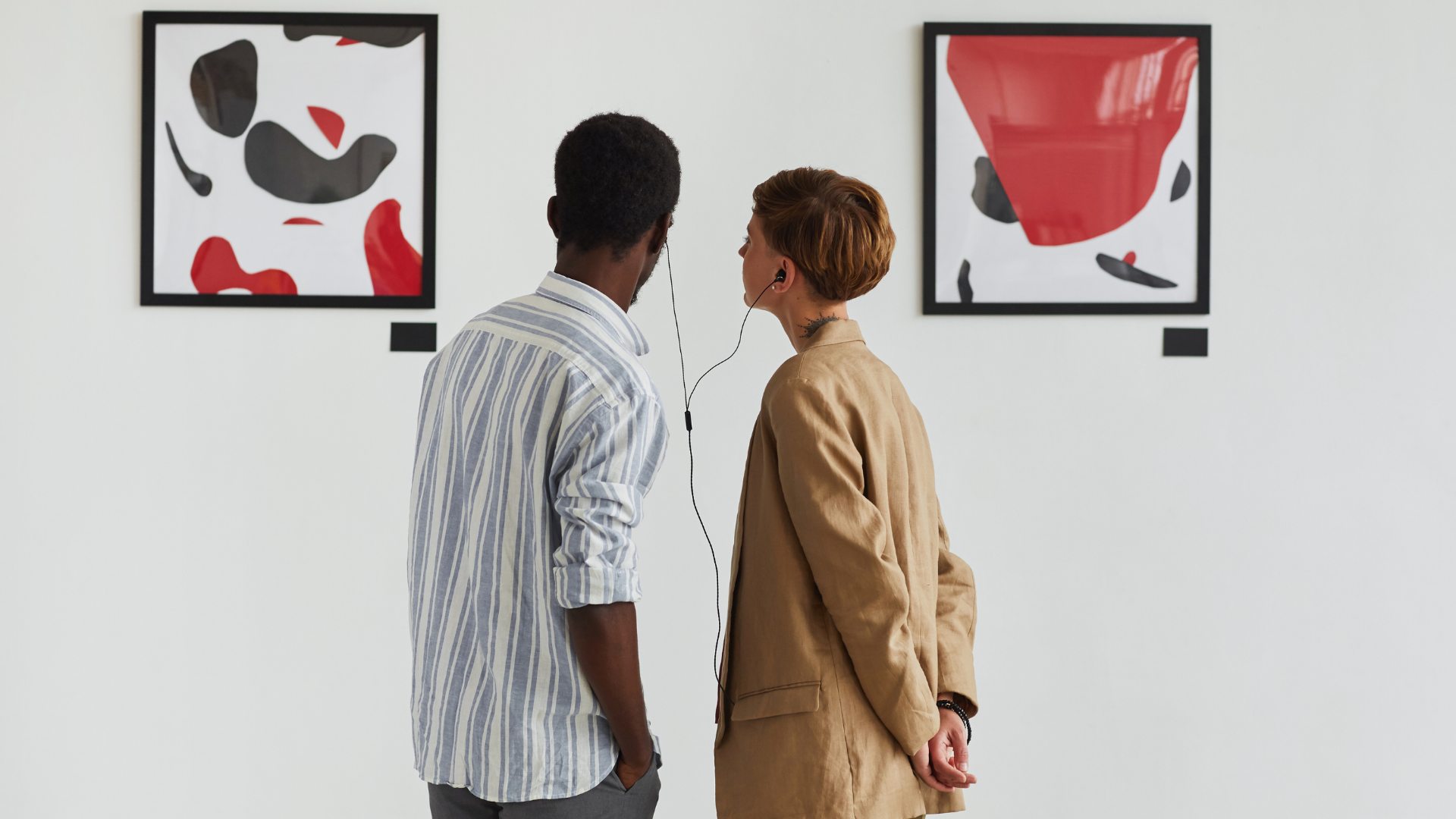
In many galleries, audio elements serve to amplify the emotional resonance of artworks. For instance, contemporary installations may juxtapose videos of performances with visual art, creating a holistic experience that invites deeper engagement. Graffiti artists have also started to incorporate sound, using urban spaces to blend visual expression with music, much like how The Beatles and Devo approached multimedia in their performances.
Performance Art: Merging Sound, Body, and Space
Performance art serves as a dynamic medium where music and visual art intersect, often challenging traditional boundaries. Artists engage audiences through movement, spoken word, and live music. The body becomes a canvas, as seen in works that combine choreography with live soundscapes.
Noteworthy performances often evoke emotional responses, transforming the gallery or stage into a space of shared experience. This is exemplified by works that use poetry and sound to explore themes such as identity and societal issues. The collaborative nature of performance art allows artists to critique cultural norms while pushing the limits of both sound and visual creativity.
Incorporating Recorded Sound and Technology in Art
The integration of recorded sound and technology in visual art has revolutionised how audiences experience creativity. Many contemporary artists utilise audio recordings to expand their narratives. This technology enables the layering of sound, enhancing the depth of the visual elements.
Installation art often features a blend of projected images alongside ambient or musical sound. Artists can create interactive pieces where viewers influence the auditory experience through their engagement. The seamless connection between audio and visual components illustrates the evolving landscape of modern art, reflecting influences from genres such as pop music and experimental soundscapes.
Current Trends in Music-Influenced Art
Music profoundly shapes modern art, particularly through genres like rock, digital soundscapes, and DIY culture. These influences manifest in various forms, including graffiti, digital media, and zines, reflecting a dynamic interplay between auditory and visual creativity.
The Influence of Rock Music and Graffiti
Rock music has long been intertwined with visual art, particularly in the realm of graffiti. Artists often draw inspiration from rock album covers and associated imagery, creating street art that resonates with the rebellious spirit of the genre.
Graffiti often features iconic symbols such as guitars, bands’ logos, and protest themes relevant to rock music’s history. Many murals serve as a homage to legendary musicians, effectively transforming public spaces into venues that celebrate both music and visual storytelling.
This appropriation extends to layering techniques where artists incorporate song lyrics into their work, creating a dialogue between sound and imagery. Such pieces underscore rock music’s cultural significance and its enduring influence on contemporary artistic expression.
Digital Art and Electronic Music
The fusion of digital art and electronic music has created an innovative landscape where sound design informs visual aesthetics. Artists utilise software to create animations and installations that respond dynamically to music, enhancing audience engagement.
For instance, visual artists often collaborate with electronic musicians to produce immersive experiences, where projected visuals synchronize with rhythmic beats, creating a multi-sensory environment. Tools like MIDI controllers merge musical instruments with visual outputs, allowing for real-time creativity.
Additionally, the rise of platforms like Instagram and TikTok has given artists new avenues to showcase their work, often set against electronic soundscapes. This trend encourages experimentation with abstract visuals that mirror the complexity of electronic music.
The Rise of Zines and DIY Culture
Zines have emerged as a significant medium for expressing the intersection of music and art in a DIY context. Artists and musicians create self-published works that capture their unique perspectives on various genres, particularly punk and indie rock.
These zines often feature original artwork, interviews, concert photography, and written pieces that critique or celebrate music scenes. The affordability and accessibility of zine production allow for a diverse range of voices and styles to flourish.
DIY culture extends to the representation of musical instruments, where zine creators may focus on instrument-building or modification. This hands-on approach not only highlights creativity but also fosters community engagement among musicians and visual artists.