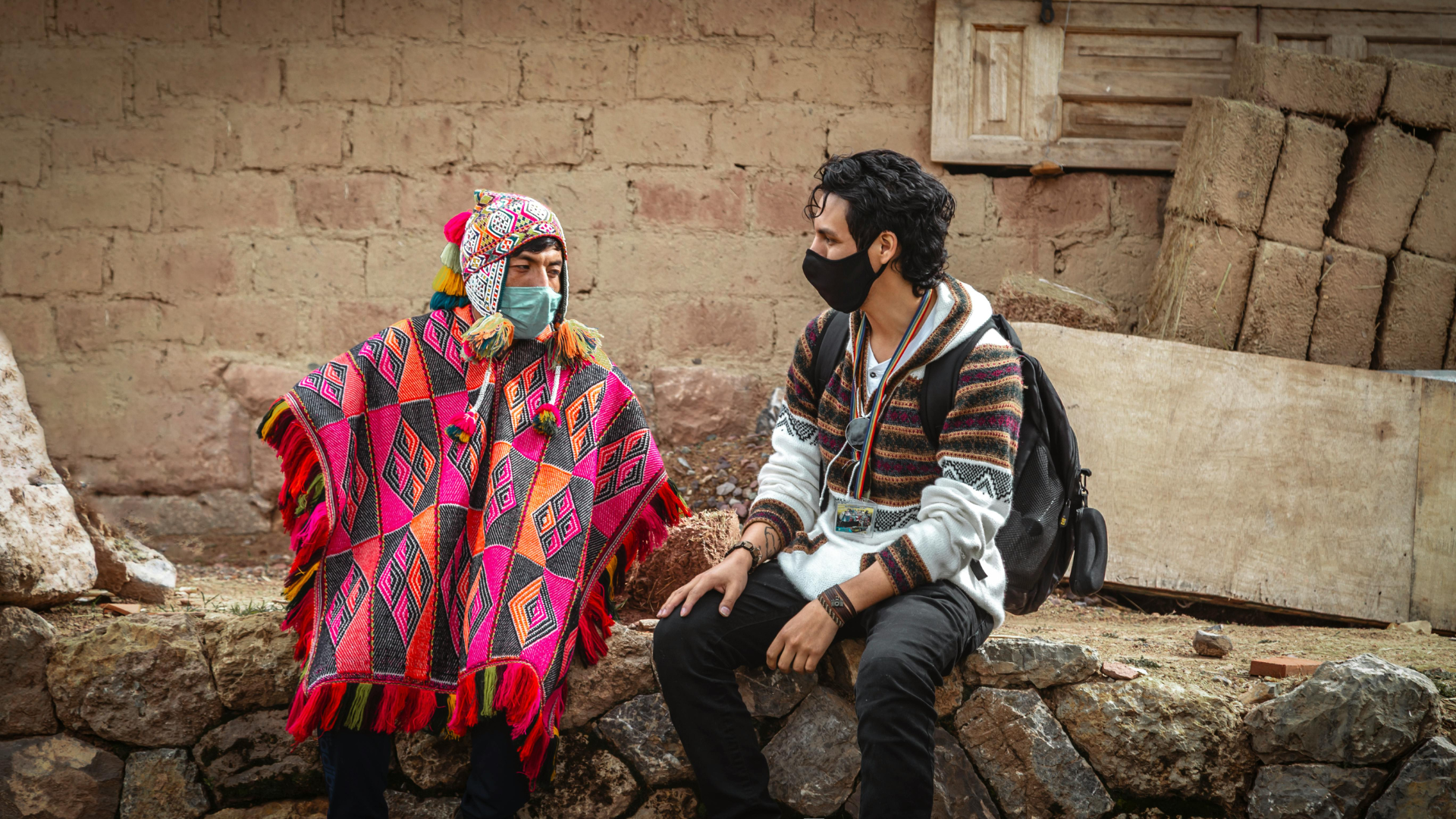
People often find connection through culture by sharing traditions, stories, and experiences that create a sense of belonging. This connection can bridge differences and foster understanding among diverse groups. Culture acts as a common ground where individuals identify with shared values, customs, and expressions.
Whether through music, food, language, or rituals, cultural elements offer familiar touchpoints that bring people together. These shared experiences help build relationships and strengthen community bonds across geographic and social boundaries.
Engaging with culture allows individuals to explore their identity while also appreciating others’ perspectives. This dynamic process creates meaningful connections that go beyond mere social interaction.
The Role of Culture in Human Connection
Culture forms the framework through which people relate to one another. It shapes individual identity, guides behaviour, and binds communities by shared experiences and values.
Understanding Cultural Identity and Belonging
Cultural identity provides individuals with a sense of belonging and self-awareness. It is rooted in factors such as language, traditions, and shared history. This identity helps people connect by affirming their place within a larger group.
Belonging to a cultural group often brings comfort and security. It reinforces personal values and offers a stable reference point in social interactions. Without this connection, individuals may feel isolated or disconnected from their community.
Recognition of one’s cultural background also fosters respect and understanding between different groups. It allows for meaningful exchanges and cooperation founded on mutual awareness of each other’s identities.
Transmission of Values and Social Norms
Culture acts as a vessel for passing values and social norms from generation to generation. These elements influence behaviour, expectations, and social roles within communities. They shape how individuals interact and build relationships.
Values such as respect, family loyalty, and hospitality often stem from cultural teachings. Social norms dictate acceptable conduct, creating predictability and trust among members of the same cultural group.
Cultural practices, including rituals and ceremonies, reinforce these values and norms. They provide regular opportunities for communal participation, strengthening social bonds through shared experiences.
Community Cohesion Through Shared Heritage
Shared heritage connects people through common histories, stories, and customs. This collective memory fosters unity and solidarity within communities. It helps individuals feel part of something larger than themselves.
Heritage often informs cultural celebrations, festivals, and artistic expressions. These events serve as public affirmations of identity and unity, allowing participants to express and renew their connection.
By honouring shared heritage, communities preserve their distinctiveness while promoting inclusion. This cohesion supports social stability and provides a foundation for cooperation and mutual support.
Cultural Expression: Arts, Cuisine, and Creativity
People often connect through various cultural forms that express identity and heritage. These include creative collaborations in music and art, shared culinary practices, and the exchange of design ideas that reflect community values.
Music and Artistic Collaboration
Music acts as a universal language, allowing individuals from different backgrounds to create shared experiences. Collaborative projects between musicians often blend styles, such as jazz fusing with traditional folk melodies, to generate new cultural expressions.
Visual artists use collaborative exhibitions and public murals to communicate stories important to their communities. These joint efforts foster dialogue and highlight diverse perspectives within and across cultures.
Creative partnerships in the arts promote exchange beyond language barriers, strengthening social ties. Festivals and workshops are common venues for these collaborations, offering spaces for innovation and mutual understanding.
Culinary Traditions and Shared Meals
Cuisine holds significant cultural meaning, often serving as a gateway to understanding heritage. Shared meals invite people to experience tastes and rituals unique to a culture, such as the Japanese tea ceremony or Moroccan tagine preparation.
Food prepares a setting for connection, where recipes passed down through generations offer a sense of identity. Participating in communal cooking or dining events encourages cultural exchange and mutual appreciation.
Culinary traditions also adapt through migration, leading to fusion cuisines that blend ingredients and techniques. These evolving food cultures mirror the dynamic nature of human connections across cultures.
Design and Creative Exchange
Design reflects cultural values through architecture, fashion, and everyday objects. Creative exchanges in design promote innovation by integrating traditional motifs with contemporary approaches.
Collaborations between designers from different cultures can result in projects that respect historical context while appealing to global markets. This often involves textiles, furniture, or urban planning that embodies cultural stories.
Design forums and international exhibitions support this exchange by showcasing diverse aesthetics. These platforms help preserve heritage while encouraging adaptation and creativity in a globalised world.
Bridging Differences: Cultural Diversity and Exchange
Cultural connection often arises through recognising and navigating differences in customs, values, and histories. Individuals learn to appreciate others by engaging with unfamiliar traditions and perspectives, which promotes deeper understanding and shared meaning.
Embracing Cultural Differences
Embracing cultural differences requires acknowledging that values and practices vary significantly across communities. These differences influence social norms, communication styles, and ways of expressing identity. For example, attitudes towards time, family roles, or celebrations can contrast sharply.
Active appreciation involves curiosity and respect rather than judgement. People may participate in cultural events or learn languages to experience these distinctions firsthand. This engagement helps overcome stereotypes and builds a foundation for genuine relationships.
Building awareness around cultural diversity enriches social environments by introducing multiple viewpoints. It also promotes flexibility in thought, which benefits conflict resolution and cooperation.
Fostering Empathy and Ethical Understanding
Empathy in cultural exchange involves recognising emotions and perspectives that differ from one’s own. This recognition is essential to ethical behaviour across cultures, where norms about respect, fairness, and rights may not align.
By practising empathy, individuals can avoid ethnocentrism and reduce prejudice. It requires listening actively and suspending assumptions to grasp others’ experiences authentically.
Ethical understanding entails respecting cultural values without imposing one’s own. This can manifest in adapting behaviour during cross-cultural interactions or advocating for cultural rights and inclusion.
Developing empathy strengthens social bonds and supports peaceful coexistence in diverse communities.
Impact of Migration and Cross-Cultural Dialogue
Migration brings diverse populations into contact, increasing opportunities for cultural exchange. Newcomers contribute customs, languages, and ideas, enriching host societies and creating hybrid cultural forms.
Cross-cultural dialogue occurs through conversations, education, arts, and media, enabling people to share stories and negotiate meanings. Successful dialogue requires openness and an environment free from discrimination.
Both migration and dialogue help reduce cultural isolation and foster communal resilience. They enable adaptation to change while preserving valuable traditions.
Governments and organisations often facilitate such exchanges to promote social cohesion and mutual respect.
Modern Pathways to Connection Through Culture
Cultural connection today often emerges through diverse media that allow individuals to share experiences and ideas. These pathways encompass communication styles, digital platforms, and organised cultural spaces that together create accessible frameworks for engagement.
Role of Language in Intercultural Communication
Language functions as both a tool and a bridge in intercultural communication. It enables people to share stories, traditions, and perspectives directly, reducing misunderstandings and fostering empathy. Fluency in multiple languages often enhances these connections by expanding access to varied cultural narratives.
For non-native speakers, learning key phrases or expressions can signify respect and openness, which strengthens interpersonal bonds. Translation technologies also play a growing role, helping to overcome linguistic barriers in real-time interactions. However, the nuances of cultural meaning can still require deeper contextual understanding beyond literal translation.
Social Media and Virtual Communities
Social media platforms connect people globally, allowing users to join communities centred around cultural interests like music, fashion, or culinary traditions. These virtual spaces facilitate dialogue, collaboration, and mutual learning without geographical constraints.
Features such as video sharing, live streaming, and group forums create dynamic opportunities for cultural exchange. They allow subcultures and minority voices to find representation and build networks. However, the quality of the connection depends on active participation and respectful communication.
The Influence of Cultural Institutions and Local Culture
Cultural institutions, such as museums, galleries, and theatres, provide physical spaces where culture can be experienced collectively. They serve as custodians of history and channels for cultural education, offering programmes that encourage community involvement and intercultural dialogue.
Local culture remains a vital source of identity and belonging. Festivals, markets, and traditional ceremonies bring people together, reinforcing shared values and customs. These events often invite outsiders to participate, creating pathways for deeper understanding and connection within diverse populations.