Building a lifestyle around creativity means structuring daily habits and environments to support constant inspiration and expression. It involves making creativity a priority through deliberate time management, setting clear goals, and surrounding oneself with stimulating influences.
Many people think creativity only thrives in bursts, but it actually requires consistent effort and routines to flourish. This lifestyle is shaped as much by discipline as by imagination.
By embracing creative practices regularly, individuals can unlock new ideas, improve problem-solving skills, and find greater satisfaction in their work and personal lives. This approach turns creativity into a sustainable way of living rather than a sporadic activity.
Foundations of a Creative Lifestyle
Building a creative lifestyle requires a clear understanding of how creativity functions daily, the impact of curiosity and personal identity, and the importance of authentic expression. These elements provide a framework for nurturing originality and sustaining creativity over time.
Defining Creativity in Everyday Life
Creativity involves generating new ideas and solutions, but it also includes simple, everyday acts like problem-solving or adapting routines. It is not confined to artistic fields; it flourishes in cooking, organising, or communication.
People who lead a creative life often view challenges as opportunities to experiment. They practice flexibility and seek inspiration from diverse sources, turning ordinary moments into creative acts.
Creativity in daily life requires commitment to noticing details and willingness to take risks. It is a skill that can be developed through deliberate practice and openness to failure, rather than an innate talent reserved for a few.
The Role of Curiosity and Identity
Curiosity drives creativity by encouraging exploration beyond comfort zones. It motivates individuals to ask questions, seek knowledge, and make unique connections between unrelated ideas.
Personal identity shapes creative choices. When creativity aligns with one’s values and experiences, it becomes more meaningful and consistent. Knowing oneself allows creators to produce work that resonates both personally and publicly.
Curiosity coupled with a strong sense of identity forms the backbone of sustained creative engagement. This dynamic allows individuals to remain motivated and authentic in their creative pursuits.
Authentic Expression and Originality
Authentic expression reflects one’s true thoughts, feelings, and perspective. It requires honesty and vulnerability, setting a creative life apart from mimicry or trends.
Originality emerges from combining personal experiences with acquired knowledge. It is not about reinventing the wheel but presenting ideas in fresh ways that reflect individual insight.
Maintaining authenticity involves rejecting the pressure to conform and embracing the risk of standing out. This commitment ensures creativity remains genuine and impactful over time.
Daily Practices for Cultivating Creativity
Integrating creativity into daily life requires specific habits that sustain focus and emotional balance. These include consistent routines, mental health care through mindfulness, and tools for self-awareness like journaling, which enables ongoing personal growth.
Establishing Creative Routines
Creative routines anchor the mind, providing a stable environment for ideas to form. He or she should designate fixed times each day for creative work, such as morning hours when focus tends to be highest.
Limiting distractions during these periods enhances productivity. Using techniques like the Pomodoro method can improve concentration by balancing work intervals and breaks.
Adding variety within routine is key to avoiding stagnation. For instance, alternating between sketching, writing, or brainstorming keeps the brain engaged and open to innovation.
Mindfulness and Emotional Well-Being
Mindfulness supports creativity by promoting mental clarity and reducing stress. Regular mindfulness exercises, such as focused breathing or short meditation sessions, help maintain emotional stability during the creative process.
Good emotional well-being enhances problem-solving and idea generation. Practising self-compassion and recognising emotional triggers prevents burnout and nurtures a sustainable creative lifestyle.
Tracking mood and thoughts in the morning or evening can reveal patterns that influence creativity. This awareness aids in adjusting activities to better support mental health.
Self-Discovery Through Journaling and Reflection
Journaling offers a practical method for self-discovery and creative development. Writing daily entries about thoughts, inspirations, and challenges deepens understanding of personal creative drives and emotional states.
Reflection on past entries can highlight growth areas and recurring obstacles. It encourages setting targeted goals that align with long-term creative ambitions.
Combining journaling with prompts focused on gratitude or idea exploration can broaden perspective and stimulate new concepts, supporting consistent creative output.
Art, Lifestyle Choices, and Living Spaces
Integrating creativity into daily life requires deliberate choices about environment and personal style. These decisions influence how individuals express themselves and interact with their surroundings.
Art in Home Décor and Design
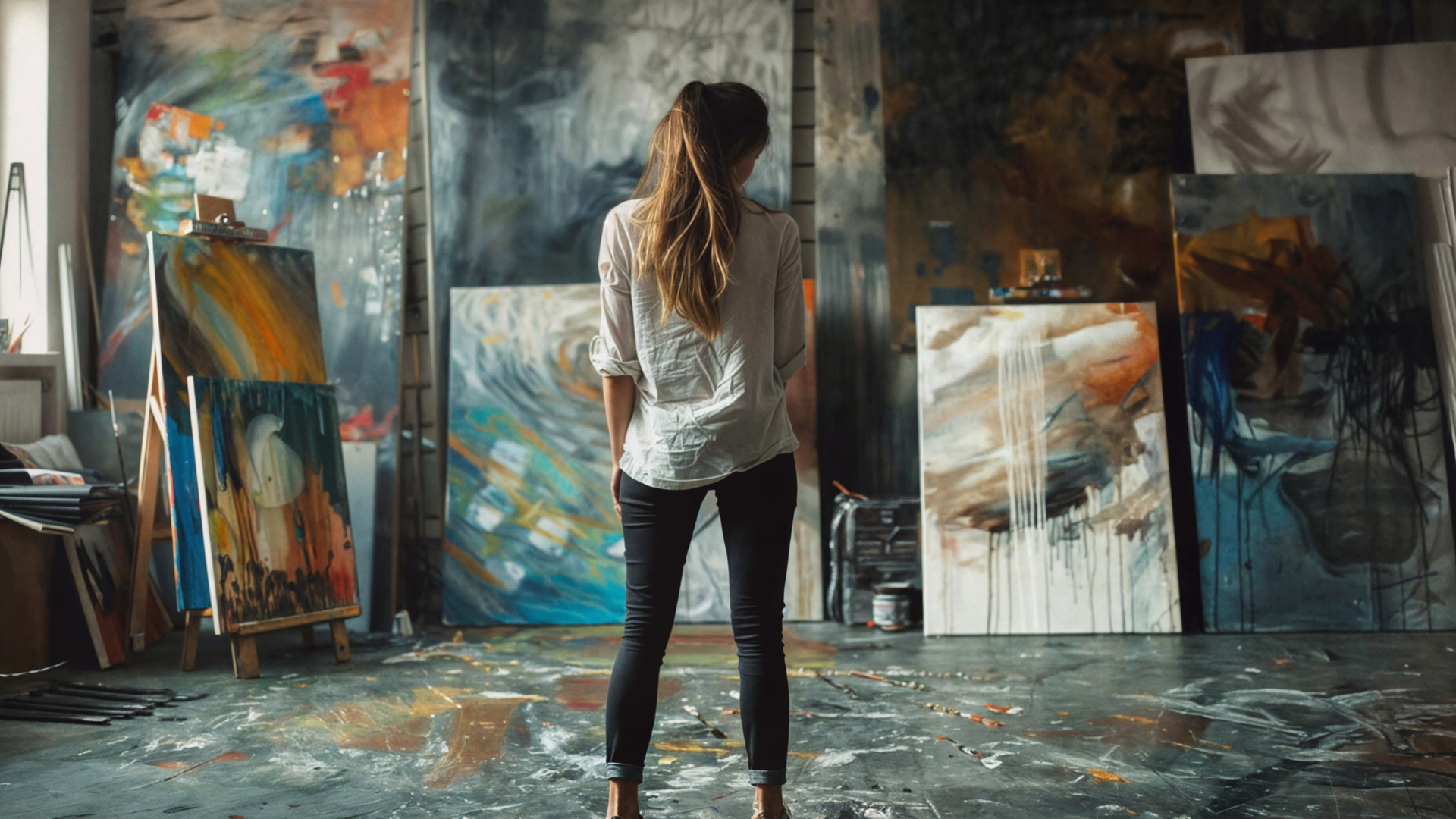
Art transforms living spaces beyond functionality, turning rooms into personal statements. Selected pieces—paintings, sculptures, prints—reflect taste while shaping atmosphere.
Incorporating art into décor often balances colour schemes, textures, and light. For example, a bold painting can serve as a focal point, while subtle prints add depth. Custom framing and placement also play critical roles in how art complements furniture and architectural features.
Art in living spaces extends to surfaces and materials. Decorative tiles, wallpaper with artistic patterns, and handcrafted objects contribute to a cohesive, creative environment. These elements encourage daily interaction with art rather than treating it as distant decoration.
Fashion and Wearable Art as Self-Expression
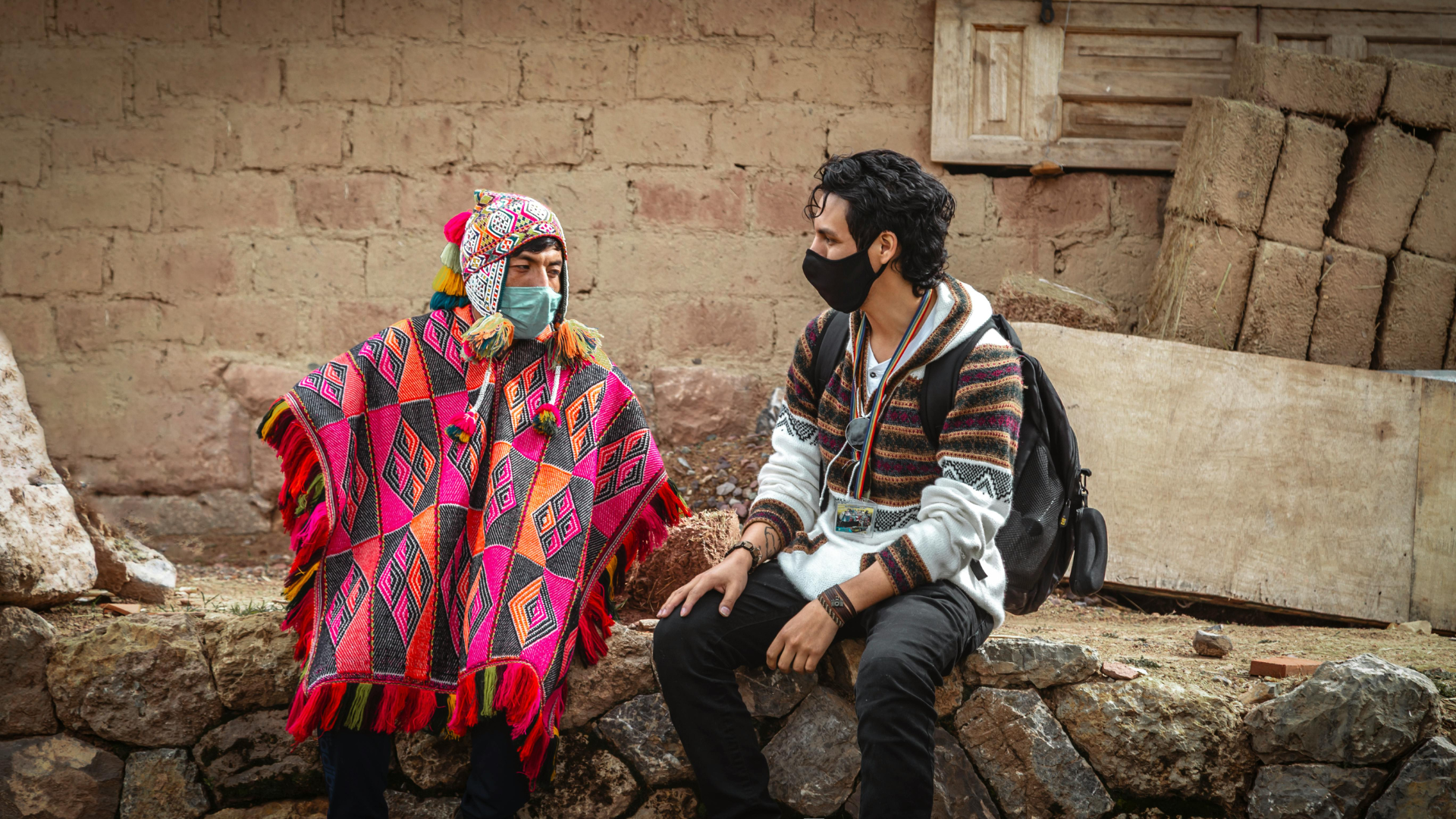
Fashion serves as a visible canvas for creativity, blending aesthetics with personal identity. Wearable art pieces—hand-painted clothing, customised jewellery, or sculptural accessories—offer unique alternatives to mass-produced items.
Choosing wearable art involves attention to craftsmanship and narrative. Each item can carry meaning, symbolising values, experiences, or artistic preferences. This elevates clothing and accessories into forms of storytelling and identity.
People committed to creative lifestyles often prioritise sustainability and bespoke elements in their fashion choices. Supporting local artisans or upcycling garments are ways to integrate art into daily wear while reducing environmental impact.
Crafts and Personal Living Environments
Craftsmanship enriches living environments through handmade, functional art. Items like woven baskets, ceramics, and embroidered textiles add texture and authenticity to spaces.
Engaging in craft activities also shapes lifestyle. Creating objects fosters mindfulness, skills development, and a deeper connection to surroundings. These personal projects can influence décor choices and promote a sense of ownership.
The presence of crafted items encourages appreciation of process and materiality in everyday life. This contrasts sharply with disposable, factory-made goods, reinforcing a lifestyle where creativity and sustainability coexist.
Creativity in Community and Public Spaces
Creative expression in shared environments can transform local culture, spark dialogue, and support economic growth. Public art projects often reflect community values and bring diverse people together, creating accessible platforms for creativity beyond traditional venues.
The Impact of Murals and Public Art
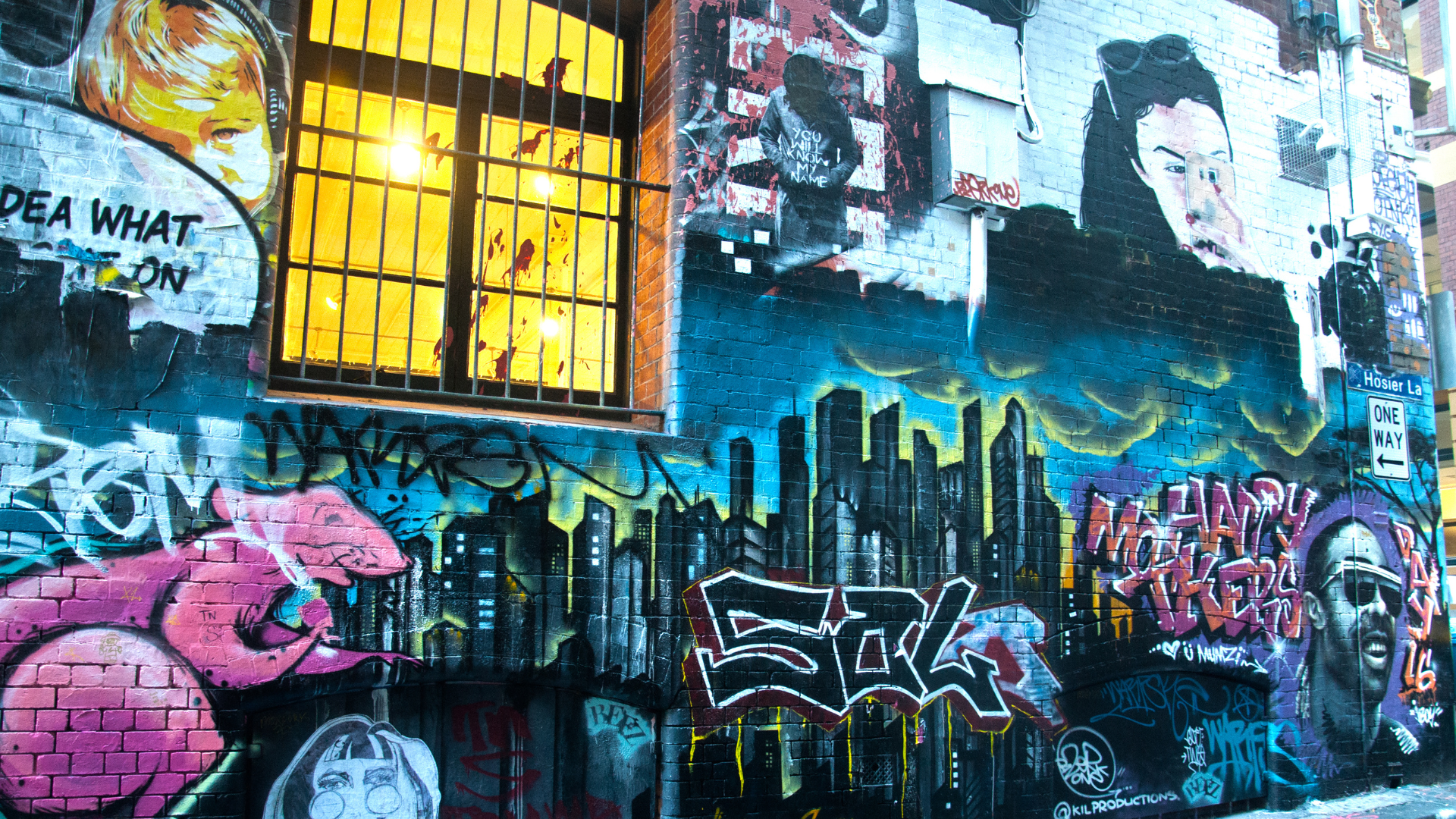
Murals and public art enhance neighbourhoods visually and culturally. Large-scale murals often depict local history, social issues, or celebrate cultural identities, making public spaces more engaging and meaningful.
These artworks encourage community pride and tourism. Well-maintained murals can deter vandalism and promote safety by revitalising neglected areas. Additionally, they provide daily inspiration to passersby, reminding residents of their shared environment and heritage.
Supporting Local Artists and Sustainable Practices
Local artists benefit when communities prioritise their work for public installations. Funding from councils or businesses targeted at these artists fosters creative careers and keeps cultural production grounded in local realities.
Sustainable materials—such as recycled plastics or reclaimed wood—are increasingly used in public sculptures and installations. This promotes environmental awareness alongside artistic expression. Using eco-friendly resources reduces waste and encourages dialogues about sustainability within the community.
Building Connections Through Community Art
Community art projects, including group murals or interactive installations, encourage collaboration between residents, artists, and local organisations. These activities enhance social bonds and build a sense of ownership over public spaces.
Workshops and participatory art invite diverse voices and skills, making creativity accessible to non-professionals. This inclusive approach strengthens community networks and offers opportunities to address local concerns creatively.