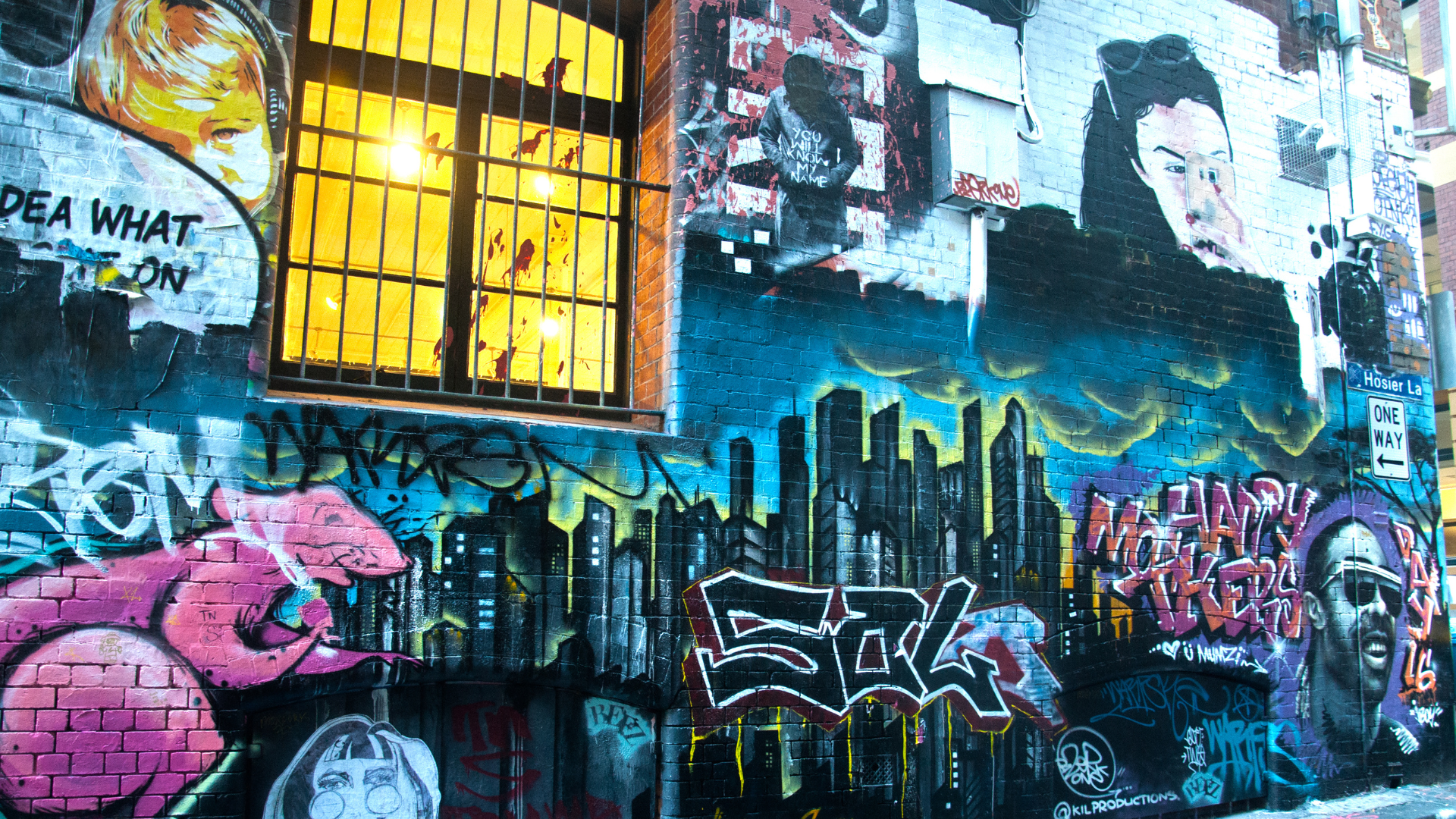
Alternative music movements often arise from a desire to challenge mainstream culture and offer fresh perspectives. They are driven by communities seeking authentic expression, innovation, and a break from commercial music norms.
The core motivation behind these movements is a combination of cultural rebellion, creative freedom, and social commentary that resonates with people who feel overlooked by popular trends. Innovations in technology and grassroots support also play crucial roles in allowing alternative scenes to thrive outside the corporate music industry.
Understanding what fuels these movements sheds light on why alternative music continues to evolve and impact wider cultural landscapes, drawing listeners looking for more than just entertainment.
Forces Behind Alternative Music Movements
Alternative music movements often emerge from a mix of cultural, social, and political factors that challenge mainstream norms. These movements feed on a desire for authenticity and create distinctive identities that stand apart from commercial music industries.
Cultural and Social Drivers
Alternative music frequently arises as a response to cultural shifts and societal changes. The punk movement of the 1970s, for example, reflected widespread disillusionment with economic instability and class divisions in the UK. It offered a voice to youth who felt excluded from traditional social structures.
Subcultures within alternative scenes often share values that reject mainstream culture, favouring DIY ethics and community-based support. These values help sustain the movement by creating close networks of fans and creators. The emphasis on raw, unpolished sound in punk rock stemmed from this cultural rebellion against polished commercial production.
Political Influence and Rebellion
Political dissatisfaction is a significant force behind many alternative music movements. Punk rock, in particular, became synonymous with anti-establishment views, critiquing government policies and societal inequalities. Lyrics and performances often conveyed explicit political messages.
The rebellious nature extends beyond lyrics, influencing the attitude and style of the music and its adherents. This defiance against authority helps alternative music act as a platform for protest and social change, attracting individuals seeking to challenge the status quo.
Authenticity and Underground Identity
Authenticity is central to alternative music identity. Movements like punk prize sincerity and a rejection of commercial success that might dilute their message. Fans and artists alike value music that feels genuine and connected to real experiences.
The underground status allows these movements to maintain control over their creative output. This separation from mainstream music industries fosters innovation and prevents co-optation. Authenticity often manifests in raw production, unfiltered lyrics, and nonconformist fashion, reinforcing the movement’s distinctiveness.
The Role of Punk and Punk Rock
Punk and punk rock represent crucial forces in shaping alternative music through their emphasis on simplicity, rebellion, and directness. They challenged dominant musical styles and social norms while forging strong communities around shared values and identities.
Origins of Punk as Alternative Music
Punk emerged in the mid-1970s as a reaction against the complexity and commercialism of mainstream rock. Bands like The Ramones and The Sex Pistols stripped music back to basic chords and fast tempos, creating a raw, unpolished sound. This approach was accessible, encouraging DIY ethics and independent production.
The punk movement positioned itself against both musical and societal conventions. Its emphasis on simplicity meant that anyone could participate, which helped build its alternative status. Punk quickly evolved into a cultural force beyond just music, influencing fashion and attitudes.
Punk Rock’s Social and Political Impact
Punk rock often addressed issues like economic inequality, political corruption, and social alienation. Lyrics were direct and confrontational, reflecting frustration with the status quo. It gave voice to disenfranchised youth, particularly in the UK and the USA, during times of economic hardship.
The movement also rejected corporate control over music. Independent labels and underground networks thrived, making punk a symbol of resistance against mainstream capitalism. This political stance made punk a platform for activism as well as artistic expression.
Rise of Subcultures and Communities
The punk movement cultivated distinct subcultures defined by shared styles, attitudes, and musical preferences. Punk fashion—such as leather jackets, safety pins, and distinctive hairstyles—became markers of identity and belonging.
Communities grew around punk shows, zines, and independent record shops. These spaces fostered collaboration and the exchange of ideas outside mainstream cultural channels. The sense of solidarity helped sustain punk as a continuing alternative movement beyond its original era.
Diversity and Representation in Alternative Scenes
Alternative music scenes are often celebrated for their challenge to mainstream norms, yet they must confront ongoing issues of representation and inclusivity. These movements reflect complex intersections of race, gender, and identity, which shape both participation and creativity.
Race and Cultural Inclusion
Racial diversity in alternative music scenes varies considerably, with some genres remaining predominantly white despite growing multicultural urban environments. Many scenes, such as punk and indie, have historically excluded or marginalised artists of colour. Efforts to increase inclusion are visible in newer spaces that intentionally centre Black, Indigenous, and other minority voices.
Artists and collectives work to reclaim space by blending traditional cultural influences with alternative music styles. However, systemic barriers remain, including limited access to resources, venues, and media coverage for racially minoritised musicians. Promotion of racial inclusion also challenges entrenched stereotypes about what alternative music “should” sound like.
Gender and Identity
Alternative music scenes have been sites of both exclusion and radical self-expression concerning gender and identity. While male dominance remains evident, women and non-binary artists have gained visibility, advocating for safer and more welcoming environments. Scenes like riot grrrl and queercore explicitly foreground gender politics as central themes.
Groups focus on fostering inclusivity by creating dedicated spaces, encouraging diversity on line-ups, and confronting misogyny and transphobia. Nonetheless, experiences vary widely depending on geographic location and sub-genre. Gender diversity contributes to richer lyrical content and sonic innovation.
Intersectionality and Alternative Expression
Intersectionality emphasises how race, gender, class, and sexuality overlap to affect experiences within alternative scenes. Musicians who embody multiple marginalised identities often face compounded challenges but also drive powerful creative expression.
Intersectionality encourages understanding that the struggles and perspectives of artists cannot be separated into discrete categories. This approach influences both the themes artists explore and the communities they build. Collaborative networks and collectives often centre intersectional politics as a foundation for solidarity and artistic freedom.
Evolution and Legacy of Alternative Sound
Alternative music has reshaped the soundscape by influencing mainstream music, driving innovation, and adapting to cultural and technological shifts. Its legacy continues to evolve through new styles and the integration of diverse influences.
Impact on Mainstream Music
Alternative music has consistently challenged mainstream norms by introducing unconventional sounds and themes. Bands like Nirvana and Radiohead brought alternative styles into the commercial spotlight during the 1990s, shifting popular music towards more eclectic and nuanced expressions.
This influence extends beyond rock into pop, electronic, and hip-hop, where alternative elements such as lo-fi aesthetics, experimental production, and introspective lyrics have become common. Major labels often sign acts originating from alternative scenes, demonstrating their ongoing commercial and cultural relevance.
Continuous Innovation and Change
Innovation remains at the core of alternative music’s appeal. Artists frequently experiment with genre blending, DIY production, and non-traditional instruments to create fresh sounds. This experimentation resists commercial formulae and embraces artistic freedom.
The scene also adopts new technologies rapidly, using digital platforms for distribution and collaboration. This openness fuels continuous evolution, preventing stagnation and encouraging underground movements to flourish alongside mainstream acts.
Modern Trends and Future Directions
Modern alternative music reflects globalisation, with cross-cultural influences mixing indie rock, electronic music, and world sounds. Artists often focus on social issues, mental health, and identity, addressing contemporary audiences’ concerns.
Future trends suggest deeper integration of AI and virtual reality in music creation and performance. The genre’s adaptability suggests it will continue to redefine boundaries, attracting diverse listeners and shaping the next generation of sound.