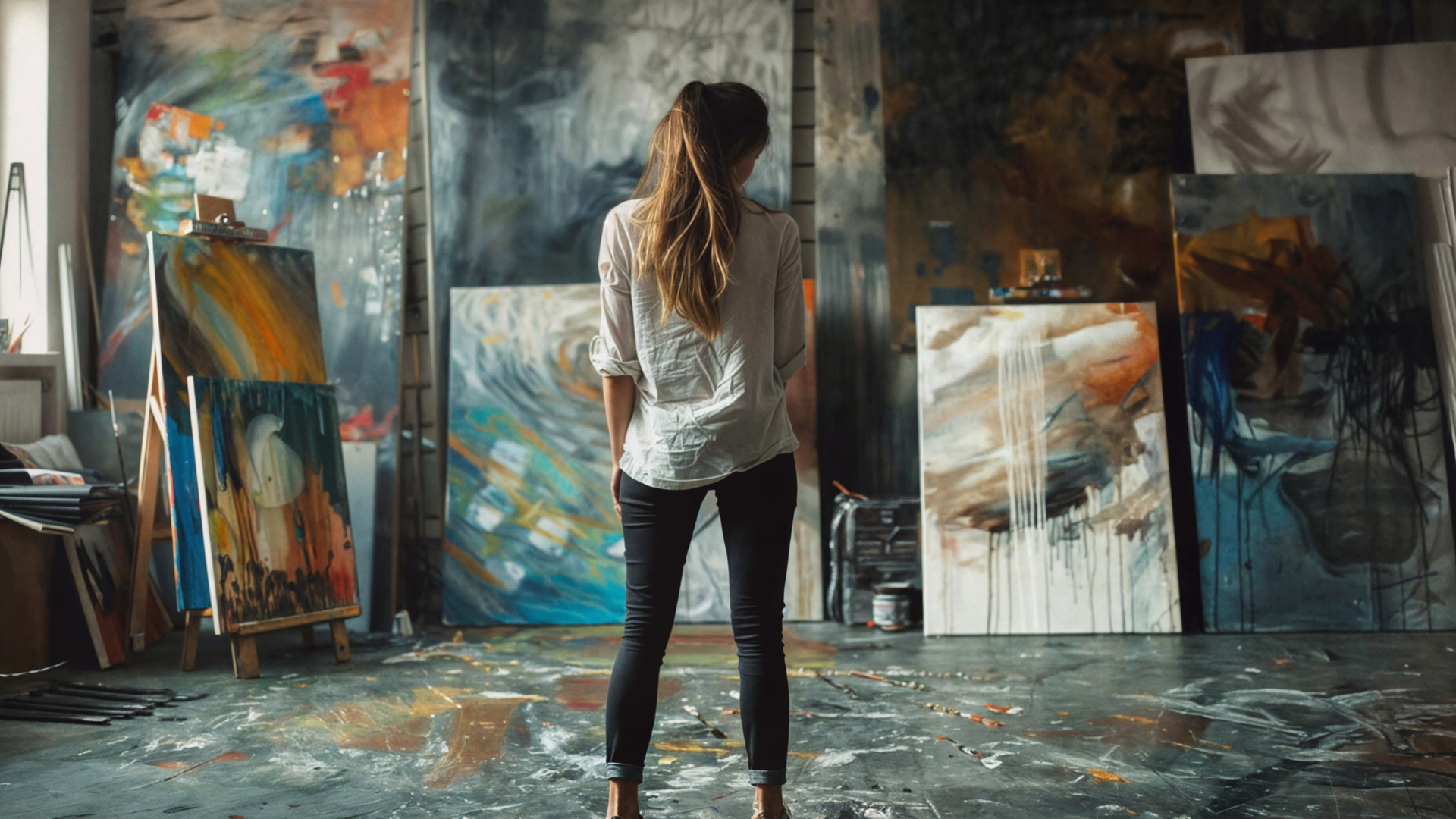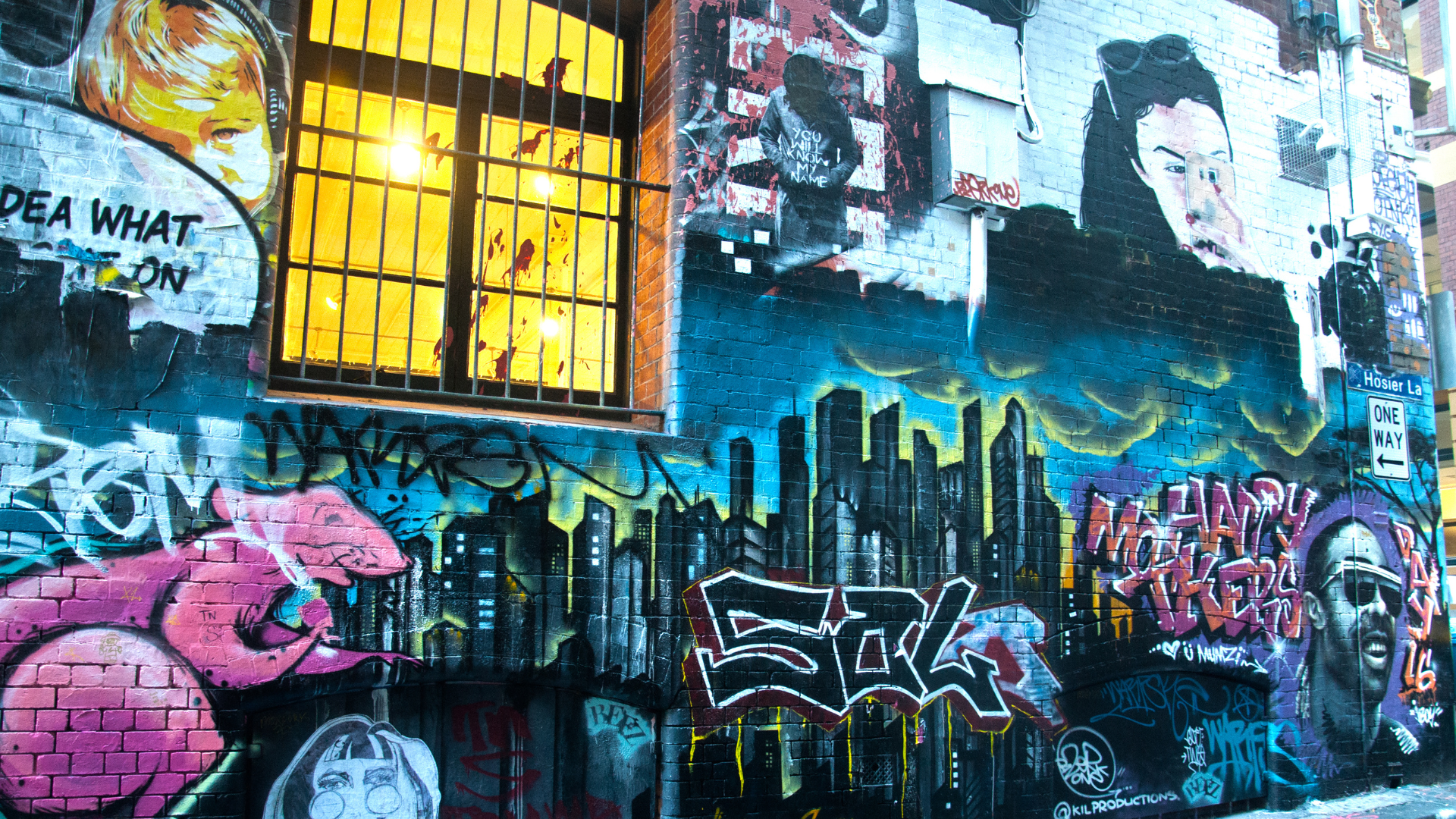
The emergence of AI-generated art marks a significant evolution in the creative landscape. This technology not only enhances artistic expression but also challenges traditional notions of creativity. By harnessing the power of artificial intelligence, artists can explore new possibilities, blending machine-generated imagery with their own visions.
As more creators experiment with AI tools, the boundaries of what constitutes art are being redefined. This shift prompts critical questions about authorship and originality, making it essential for audiences to engage with these developments. The intersection of technology and creativity is leading to a fascinating dialogue that is reshaping the art world.
With advancements in algorithms and machine learning, AI-generated art is becoming increasingly sophisticated. Artists are finding inspiration in the vast capabilities of these technologies, which can analyse styles and create pieces in a matter of seconds. This innovative approach to the creative process opens up exciting avenues for exploration and collaboration.
Evolution of AI in the Artistic Realm
The development of AI in art has progressed significantly over the years, driven by innovations in algorithms and deep learning techniques. This section explores the foundational elements of AI art, the advancements in AI tools, and the emergence of AI-generated imagery.
Foundations of AI Art
The inception of AI art can be traced to early computational programming in the 1960s. Artists began experimenting with algorithms to create visual patterns. These initial efforts laid the groundwork for future developments in the field.
In the 1980s and 1990s, pioneers like Harold Cohen created programs such as AARON. This software was capable of autonomously generating paintings, incorporating rules that mimicked human artistic processes. Such projects highlighted the potential for machines to contribute to creative expression.
As technology evolved, the integration of machine learning marked a turning point. More sophisticated algorithms began to emerge, allowing for the creation of complex and innovative pieces. This shift positioned AI as a legitimate participant in the artistic domain.
Advancements in Deep Learning and AI Tools
The introduction of deep learning has catalysed significant advancements in AI artistry. Neural networks, especially Generative Adversarial Networks (GANs), transformed how machines learn from data. These systems consist of two networks: a generator and a discriminator, working together to create and evaluate artworks.
Popular AI tools such as DeepDream, developed by Google, utilised convolutional neural networks to produce surreal images by enhancing patterns. This approach demonstrated the creative potential of AI in transforming existing images into something new and visually striking.
Additionally, user-friendly tools like DALL-E and Artbreeder have made AI art accessible to a wider audience. These platforms empower users to generate unique art pieces by combining and modifying existing styles, further integrating AI into contemporary artistic practice.
The Emergence of AI-Generated Imagery
AI-generated imagery has gained traction in both the art world and popular culture. The ability to create compelling visuals rapidly has attracted artists, designers, and technologists. This phenomenon has broadened the definition of authorship and creativity.
Exhibitions showcasing AI art, such as those held at prestigious galleries, demonstrate an increasing acceptance of these works. This shift raises questions about the role of human artists and the nature of creativity itself.
Moreover, the market for AI-generated art is expanding, with some pieces selling for substantial amounts at auction. This development reflects not only appreciation for the technology but also a shift in how society perceives the value of art. The integration of AI in art continues to challenge traditional boundaries in ways that are both exciting and thought-provoking.
Interplay Between AI and Human Creativity
The interaction between AI and human creativity is reshaping artistic expression. AI tools assist artists in exploring new possibilities while also raising questions about the nature of creativity itself.
The AI-Augmented Creative Process
AI contributes significantly to the creative process. It offers innovative tools that allow artists to experiment with styles and mediums that may not have been feasible previously. For example, algorithms can generate unique patterns or suggest colour palettes based on existing artworks.
Artists often use AI as a brainstorming partner. They can input specific parameters, and the AI generates multiple variations of an idea. This collaboration accelerates creativity, as it enables faster iterations and offers new perspectives. Importantly, AI does not replace the artist but enhances their ability to express their ideas.
Collaboration between AI and Human Artists
The collaboration between AI and human artists is becoming increasingly common. Many artists are incorporating AI-generated elements into their work, blending technology with traditional techniques. This fusion can lead to distinctive pieces that reflect both human emotion and computational efficiency.
Exhibitions featuring AI-generated art pose intriguing questions about authorship. When a piece results from human input and AI processing, the roles of creator and tool blur. Artists actively engage with AI systems, making creative choices informed by data-driven insights. This partnership fosters a dynamic where creativity is not solely human but a collective effort, enriching the art landscape.
Legal and Ethical Implications
The emergence of AI-generated art raises significant legal and ethical questions. Key considerations include issues relating to authorship and ownership, the applicability of intellectual property rights, and the challenges of bias and quality in AI-generated works.
Authorship and Ownership Challenges
Determining authorship in AI-generated art presents complexities. Traditionally, an artist is a human creator; however, in AI art, algorithms create images based on data inputs. As a result, issues arise about whether the AI, the programmer, or the user who initiated the process holds authorship rights.
Ownership also remains disputed. If a piece of art is generated by an AI, who claims ownership? Is it the developer of the AI, the user who prompted it, or a collaborative arrangement between the two? These uncertainties can lead to legal disputes and require new frameworks for defining creative rights.
Intellectual Property Rights in AI Art
Intellectual property rights complicate the landscape of AI-generated art. Current laws often fail to address the nuances of works produced by machines. Traditional copyright law primarily protects works created by humans, making it unclear how to classify AI-generated pieces.
In many jurisdictions, copyright may not apply to works lacking human authorship. Artists and AI developers must consider new legislation to protect their interests. This evolving legal framework will need to adapt to address where AI fits within existing intellectual property landscapes.
Addressing Bias and Quality in AI-Generated Work
Bias in AI art arises from the datasets used to train algorithms. If these sets include biased representations, the output can perpetuate stereotypes or exclude certain perspectives. This raises ethical concerns about representation and inclusivity in creative fields.
Quality control is also vital. The varying artistic merit of AI-generated work can present challenges for consumers and critics alike. Establishing standards for quality can help mitigate these issues, ensuring that the proliferation of AI art does not dilute artistic integrity or undermine human creativity.
Future Trajectories and Innovations
The landscape of AI-generated art and content is rapidly evolving. Emerging technologies are refining artistic techniques, while societal perceptions and applications are shifting, paving the way for future innovations.
Expanding Horizons of AI-Generated Content
AI technology is pushing the boundaries of creativity in various fields, including art and music. Machine learning algorithms can now analyse vast datasets, facilitating the generation of unique pieces that incorporate vibrant colours and abstract images.
Notably, platforms like DALL-E and Midjourney showcase the ability to create stunning visual content. These innovations enable artists to collaborate with AI, enabling new forms of expression. Additionally, AI-generated music compositions are becoming increasingly popular, expanding the auditory spectrum available to creators.
Key developments may involve improved user interfaces, allowing non-experts to engage with AI tools effectively. Tools may also become adept at mimicking specific artistic styles, further blurring the lines between human and machine creativity.
Societal Impact and Future Trends
As AI-generated content becomes commonplace, society must navigate its implications. Artists might face both opportunities and challenges in a landscape where originality is redefined. Concerns regarding copyright and authenticity are prominent, as the line between human and AI-created art becomes less distinct.
Furthermore, educational institutions may incorporate AI technology into curricula, preparing new generations for a blended creative future. The integration of AI art in commercial sectors, such as advertising and gaming, is likely to grow, reflecting its allure and impact.
Future trends may also see collaborative projects between AI and human artists becoming the norm. This partnership could foster innovative expressions, ensuring that creativity remains dynamic in an increasingly digital world.